Remember and Restore
Remembering the lost Black history in Appalachian cities and preserving the pieces of history that are left today.
Article By:
Patricia Porter
Past Images Courtesy of:
Ohio University Archives
Early African Americans have helped shape Athens, Ohio into the intellectual region it is today. What those African American individuals did and the opportunities they created for us gets lost within the history of Athens. Highlighting the achievements of African Americans is important today to remember what great sacrifices they made to see a generation prosper; a generation they do not even get to see. Parts of the Athens/Appalachian community today involve themselves in organizations that seek to uncover the lost African American history and work to preserve what is left.
A few of the monumental developments within Athens history include the Mount Zion Baptist Church, the Berry Hotel, and the Athens Courthouse. A few essential individuals who were a part of the development of these monumental locations include Edward and Mattie Berry and Andrew Jackson Davidson.
MOUNT ZION:
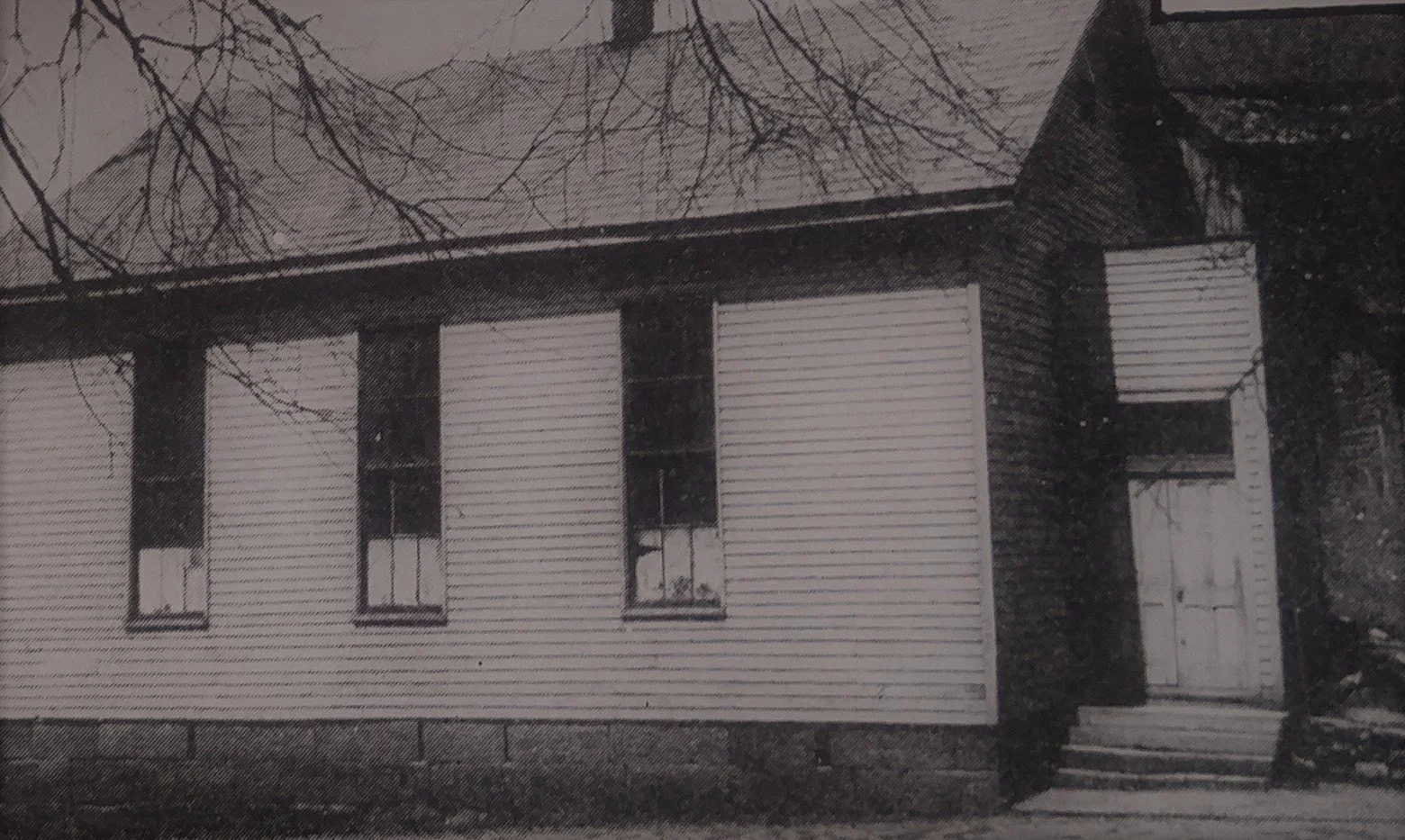
In 1872, a small group of African American Athienans gathered for religious services at the home of two local African American Athienians, Joseph and Henrietta. The group was seeking a safe place to escape the extreme racism and felt Athens was small enough to remain discrete. As the group started to grow, they needed a larger space for worship which led them to begin holding services in a wood-framed, single-room church on Lancaster Street in 1876. With such a small space and a growing congregation, the group of African Americans sought out to find a larger space. In the meantime, they would perform baptisms in the Hocking River during the 1880s and 1890s.
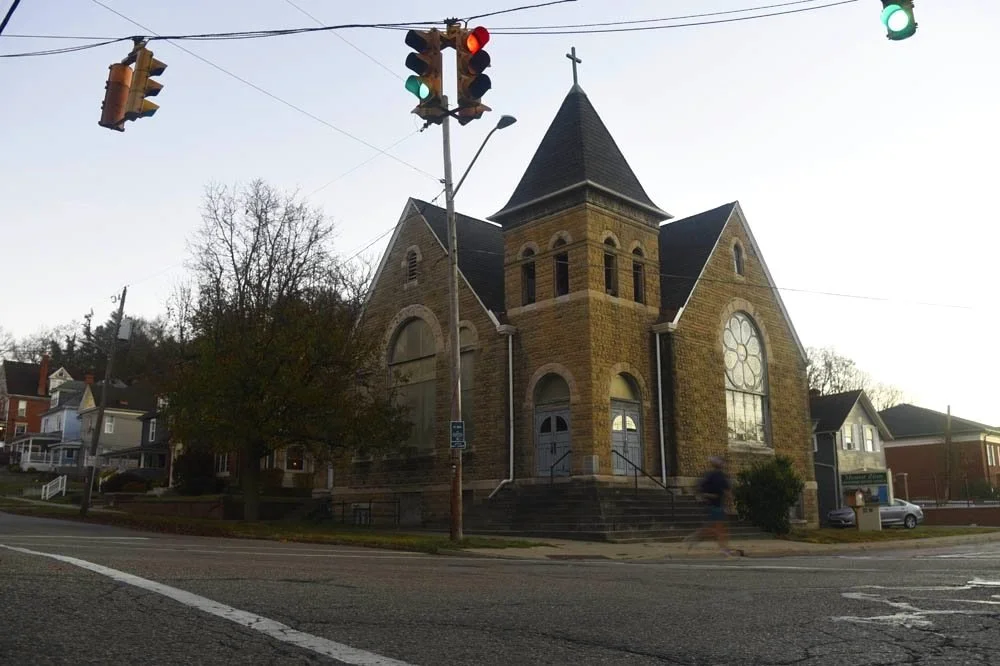
In 1905, well-known and respected entrepreneurs Edward and Mattie Berry donated a chunk of the land they owned that could be used to build a proper church to fit the growing members. Church services started to be built in the basement of the building while construction was ongoing. In 1909, the church was finished and officially open to the public. In 1980, the Mount Zion Baptist Church was added to the National Register of Historic Places to honor the achievements and community it and the congregation developed over the years.
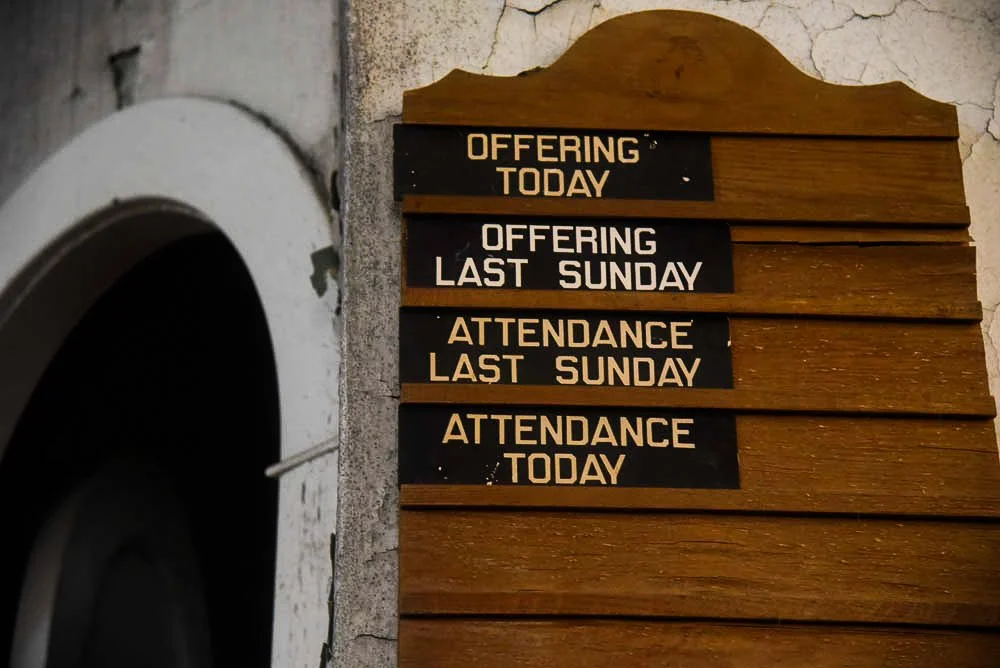
The impoverished African American individuals did not have enough money to upkeep the building, so it started to deteriorate. Active services continued to be held in the building until 2000. The last known event held at the church was a funeral in 2006. After this, the church became vacant and continued to deteriorate for years.
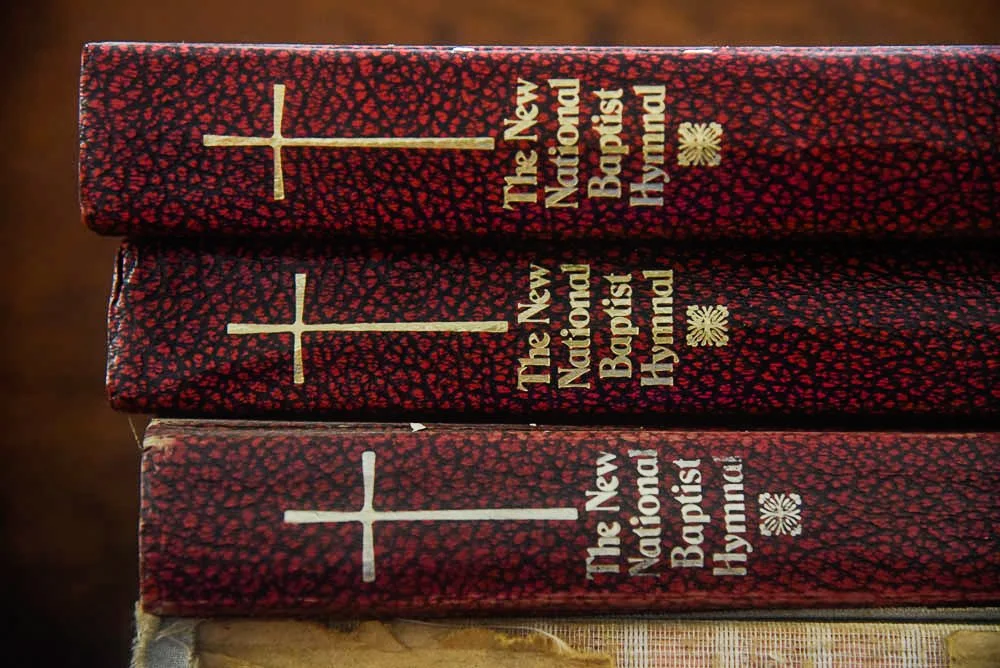
In 2013, the Mount Zion Baptist Church Preservation Society (MZBCPS) was created by founding members Ada Woodson Adams (Adams’ grandfather attended the church in the mid 1900s), Ron Luce, Linda Philips, and Henry Woods. The MZBCPS is a non-profit organization with the main goal of restoring the original church building and converting it into a hub where African Americans can gather and create a new generation of a vibrant Black community.
Currently, the MZBCPS members and volunteers are working towards raising $4.2 million to completely restore the original structure. While working towards their goal, the volunteers and members work to educate the Athens community about the church’s history through short films, events, ads, tours, and conferences.
The first Mount Zion Baptist Church building located on Lancaster St. in 1876.
The current Mount Zion Baptist Church building located on Carpenter St. in 2022.
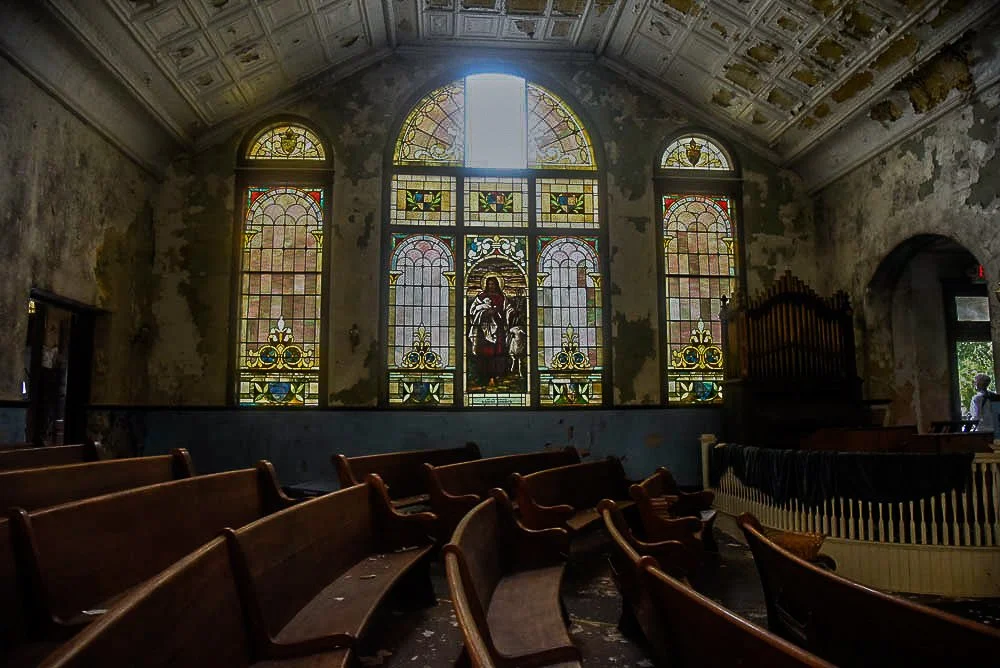
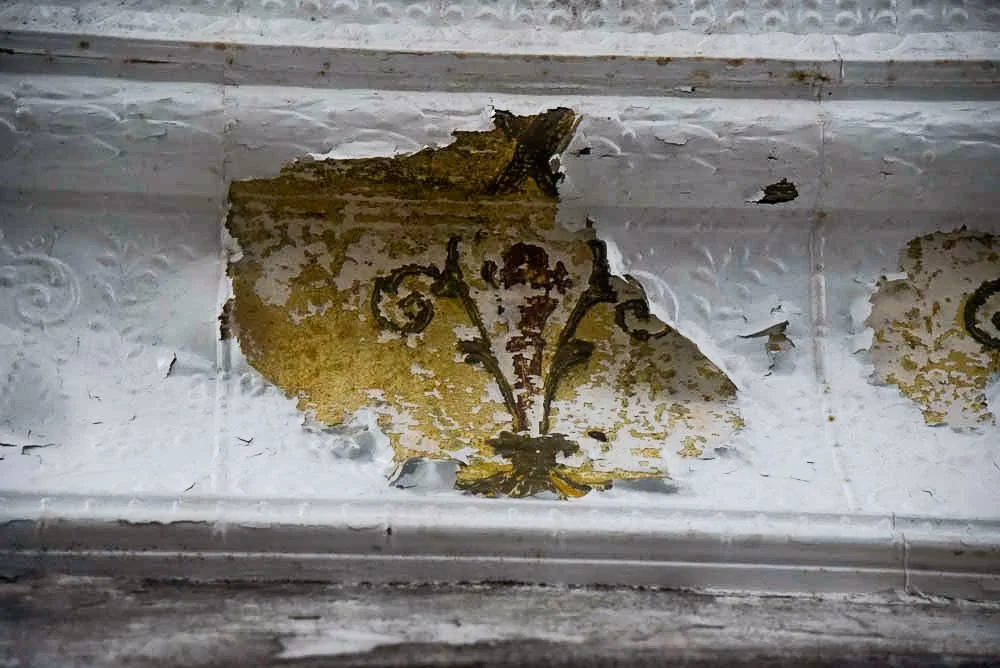
Inside the current Mount Zion Baptist Church. The wallpaper is corroded and peels off revealing the original wallpaper design.
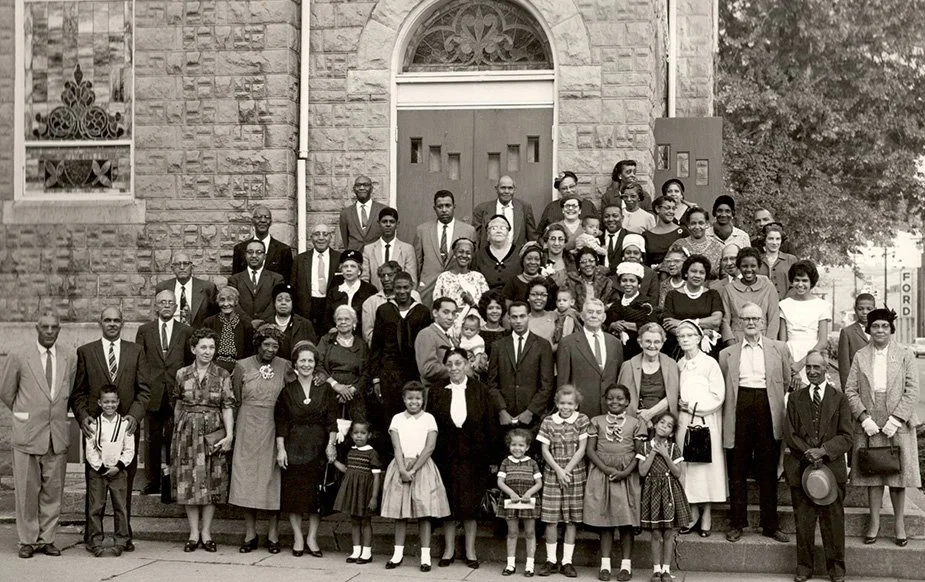
The Mount Zion Baptist Church congregation on the front steps of the church at a homecoming event in 1961.
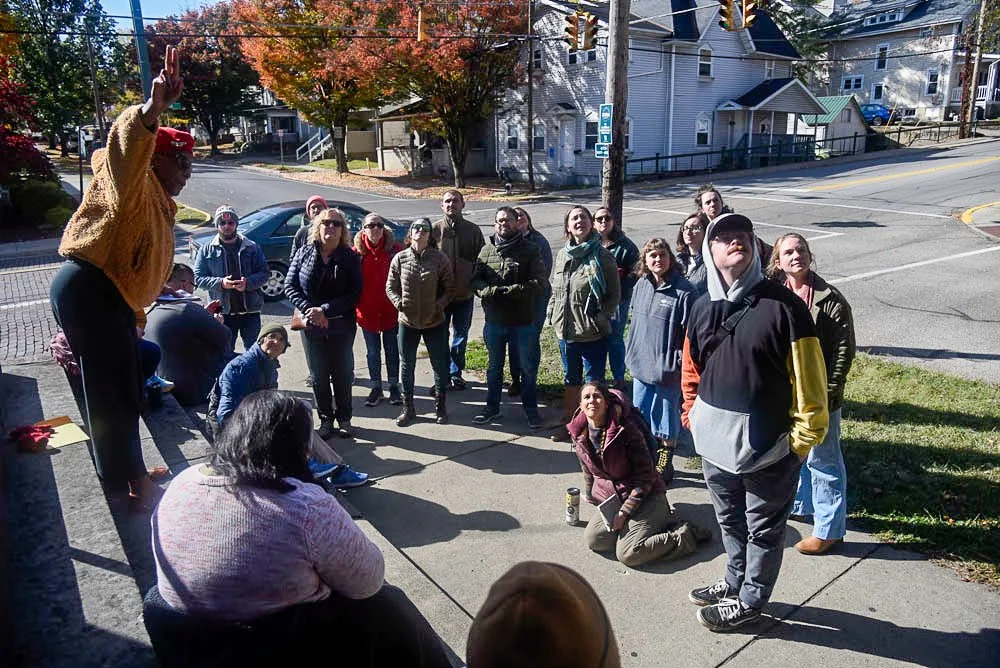
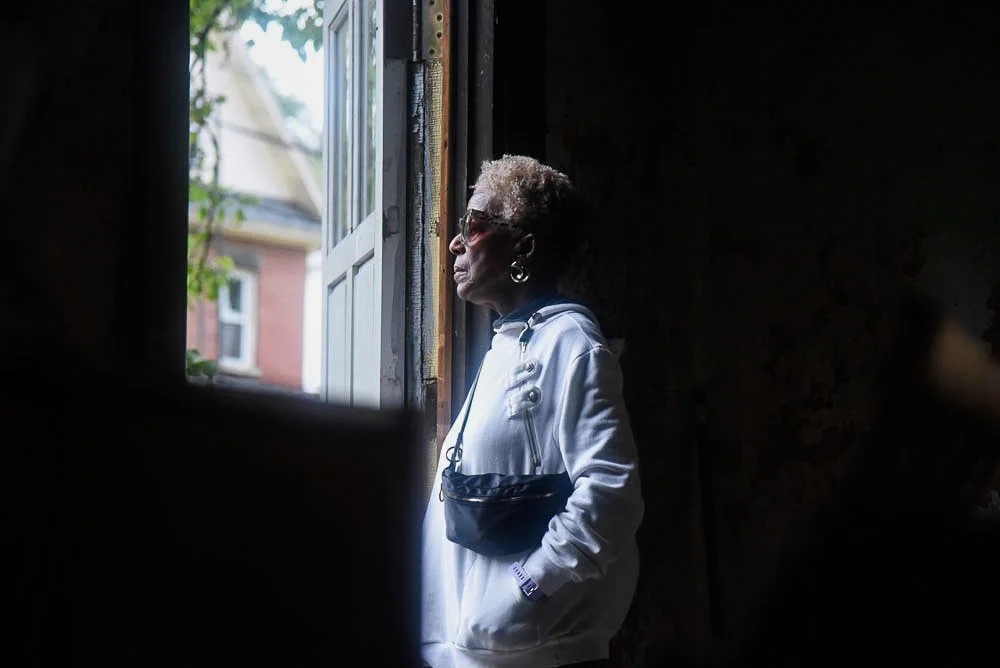
Trevellya Ford Ahmed (far left) speaks about the history of the Mount Zion Baptist Church on the front steps of the church to a crowd of Ohio University students who were touring the Black historical places in Athens.
BERRY HOTEL:
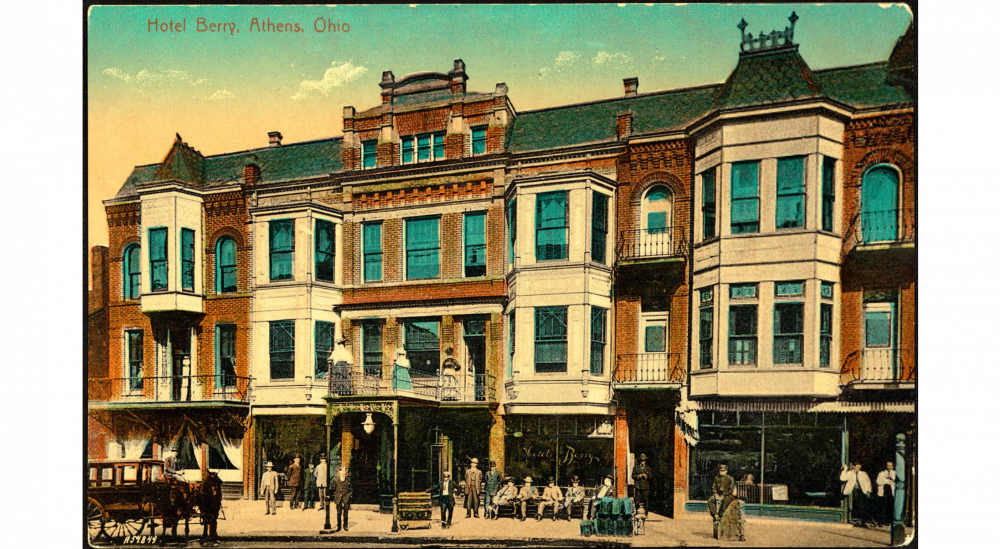
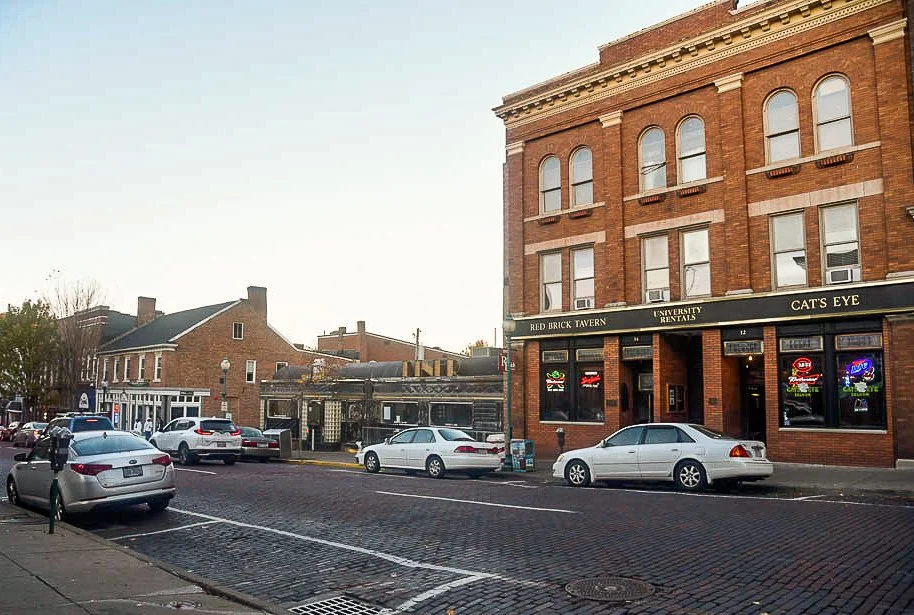
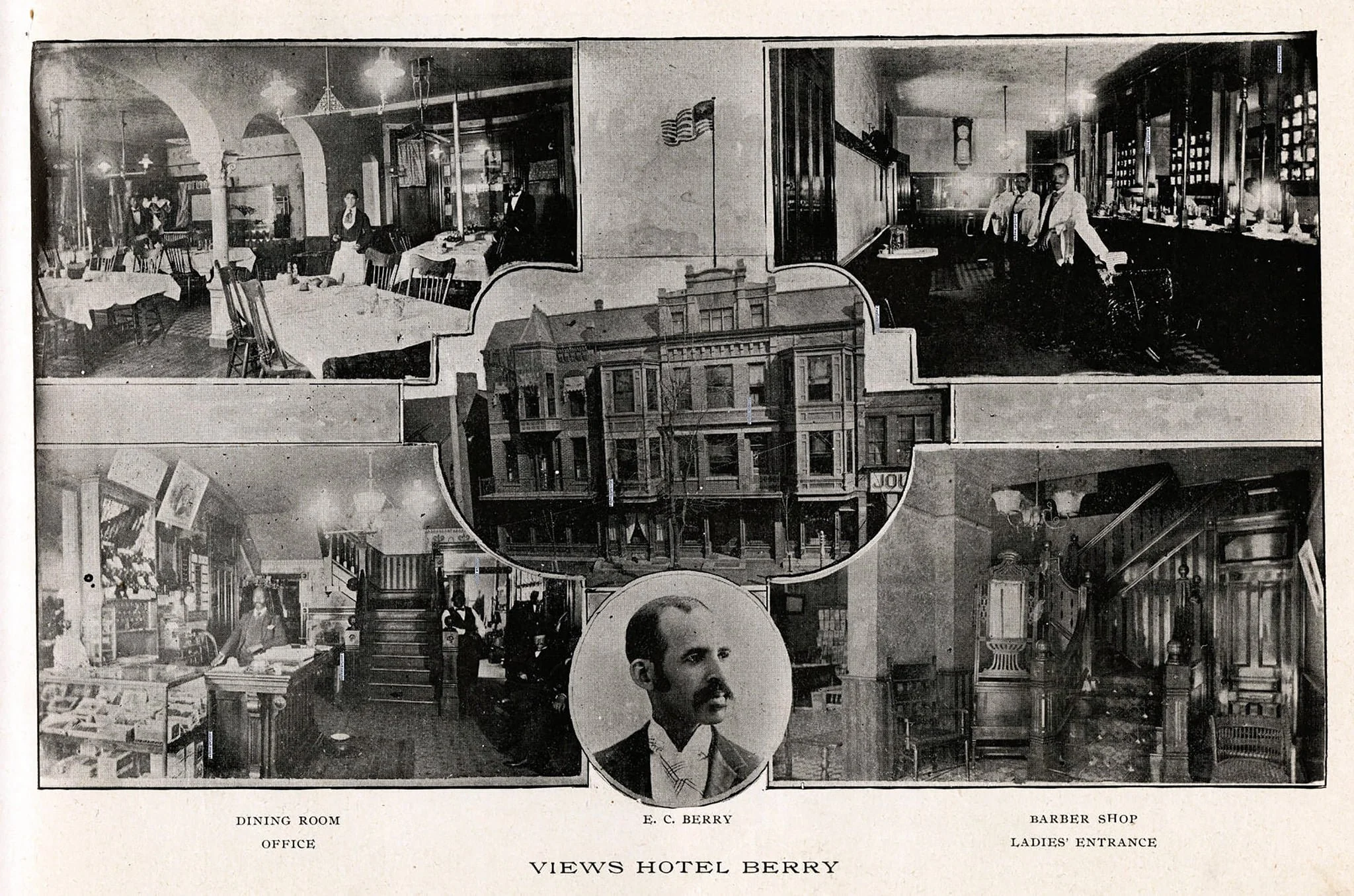
Edward Berry and his brother opened their own restaurant, named “Berry Brothers” in 1878. Edward soon took over the business by himself and used his savings to purchase a new land for his restaurant on 18 N. Court St., for $1300. In 1880, Edward wanted to expand his restaurant into a hotel, so he took out a loan of $2000 and construction began. Two years later, the Berry Hotel was officially open for business. In 1900, Edward was the only African American businessman on Court Street.
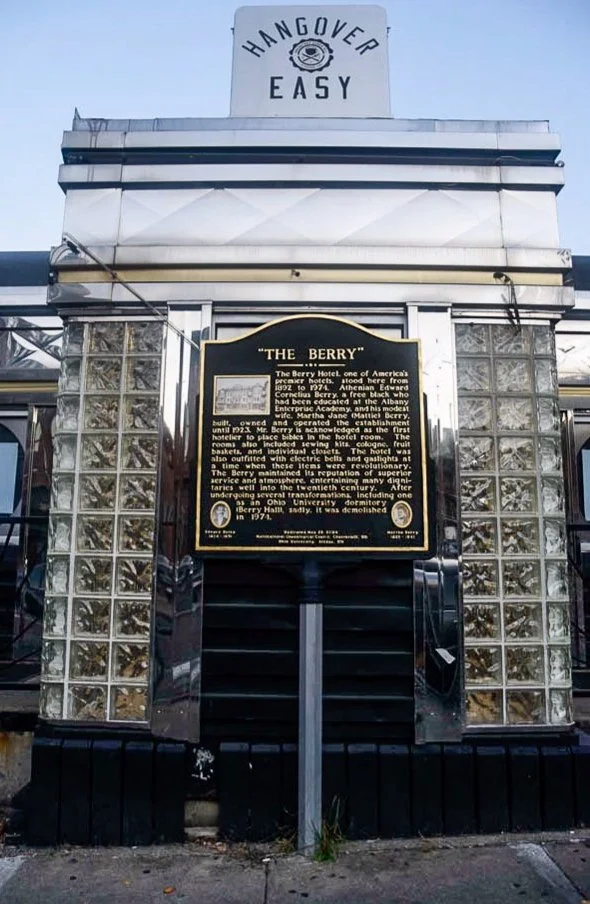
For years, Edward struggled financially and had to keep taking loans out. His friends constantly gave him loans and expected nothing in return because they wanted to see his business grow. As time went on, the Berry Hotel became more populous. Local historian Ray Abrarham said that there have been 4 U.S. presidents to stay at the hotel. After 82 years of business, Edward and Mattie sold the hotel and bought a home next door to the Mount Zion Baptist Church. Edward Berry passed away in 1931 and a few years later in 1935, Fred Beasley bought the hotel. Beasley expanded the hotel and ran it until 1961 when he sold it to Ohio University for $175,000.
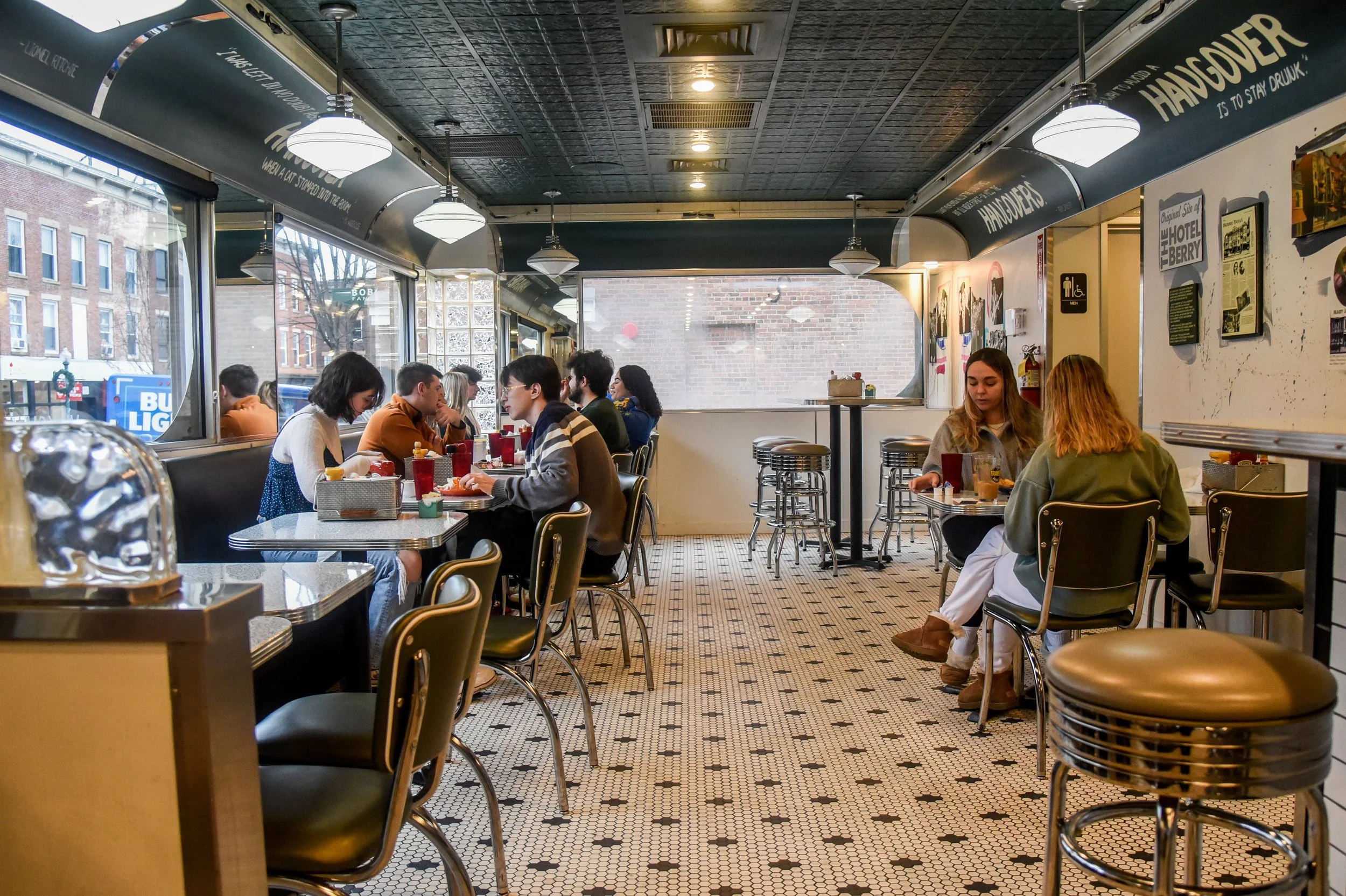
When Ohio University bought the hotel, it was converted into a dormitory for students and renamed Berry Hall due to the rapid increase in student enrollment that year. In 1973, Ohio University enrollment drastically decreased, so Ohio University sold the building to the Athens City Council, who tore down the building to make space for a parking lot. In 1997, Court Street Diner bought the empty lot for $190,000. A few years later the diner was renamed to Hang Over Easy and it still stands today.
THE BERRYS:
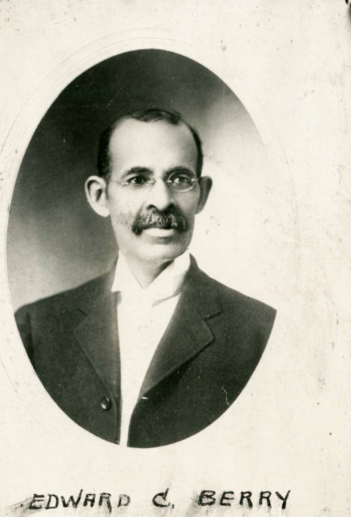
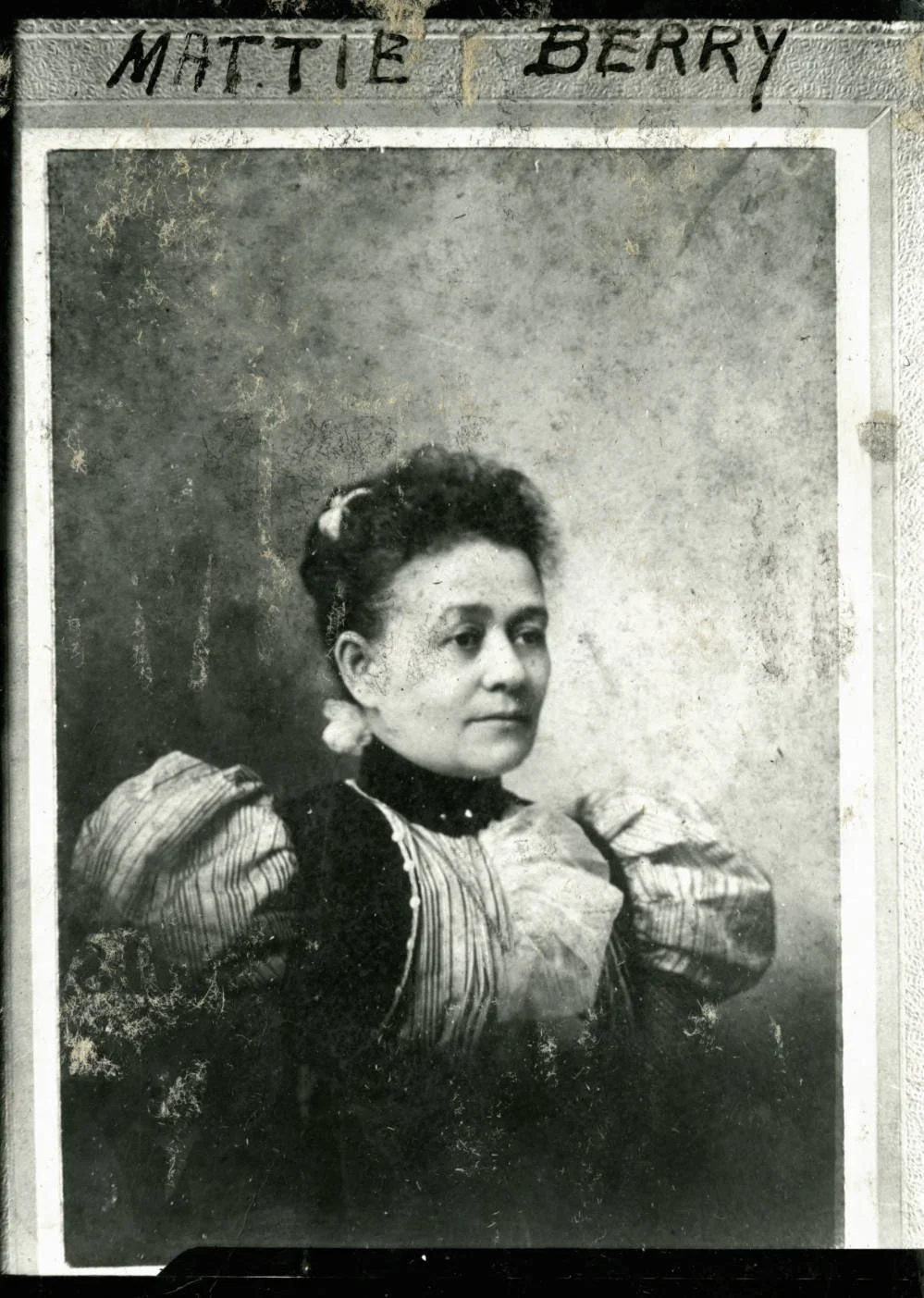
Edward Berry was born in Oberlin, Ohio in 1954. When he was two-years-old, his family moved to Albany. His father passed away in 1870, which led to him leaving high school in order to help his family. When he was 16, he would walk 10 miles each day to work in Athens and earned 50 cents a day. A few years later he was promoted to be an errands boy in Parkersburg, West Virginia. He eventually saved up enough money to move to Athens where he started working as a caterer. In 1878, he married Martha (Mattie) Madry who was a girl he went to school with. That same year, he and his brother opened their own restaurant called “Berry Brothers” which eventually became the Berry Hotel.
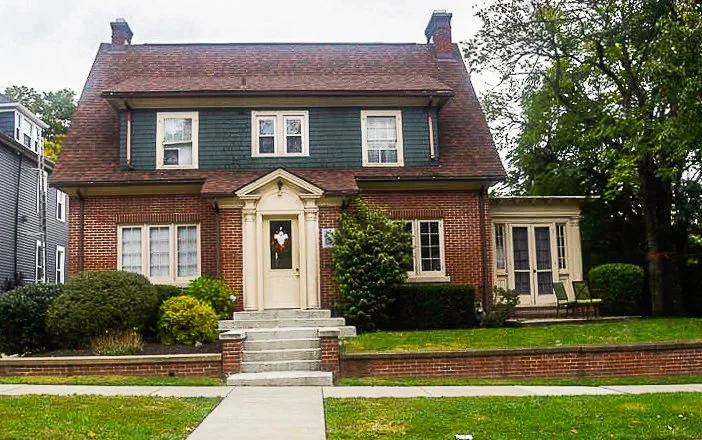
After running the hotel for 82 years, the Berrys wanted to retire, so they sold the hotel to Ohio University. With that money, they bought a house that neighbors the Mount Zion Baptist Church, which was once Edward’s land that he was able to buy with his earnings from the hotel. In 1931, Edward Berry passed away and his wife, Mattie, passed 10 years later in 1941. Their house was sold to a rental company. In 1995, a group of Phi Kappa Theta students moved in and currently the house is still being used as housing for OU students. For the past few weeks, the theater school had opened a play titled “Hotel Berry '' where students performed to tell the story of the Berrys and their hotel.
ANDREW JACKSON DAVISON:
“Every year, a new group of eighth grade students are selected and invited to join the club. The club meets regularly and chooses projects to undertake each year. These projects are specifically focused on race, culture, social change, and community. The club collaborates with local historians, experts, and educators to learn more about their chosen topic. Each project ends with an event that is open to the community, and these events are always a great success!”
- Andrew Jackson Davison Club
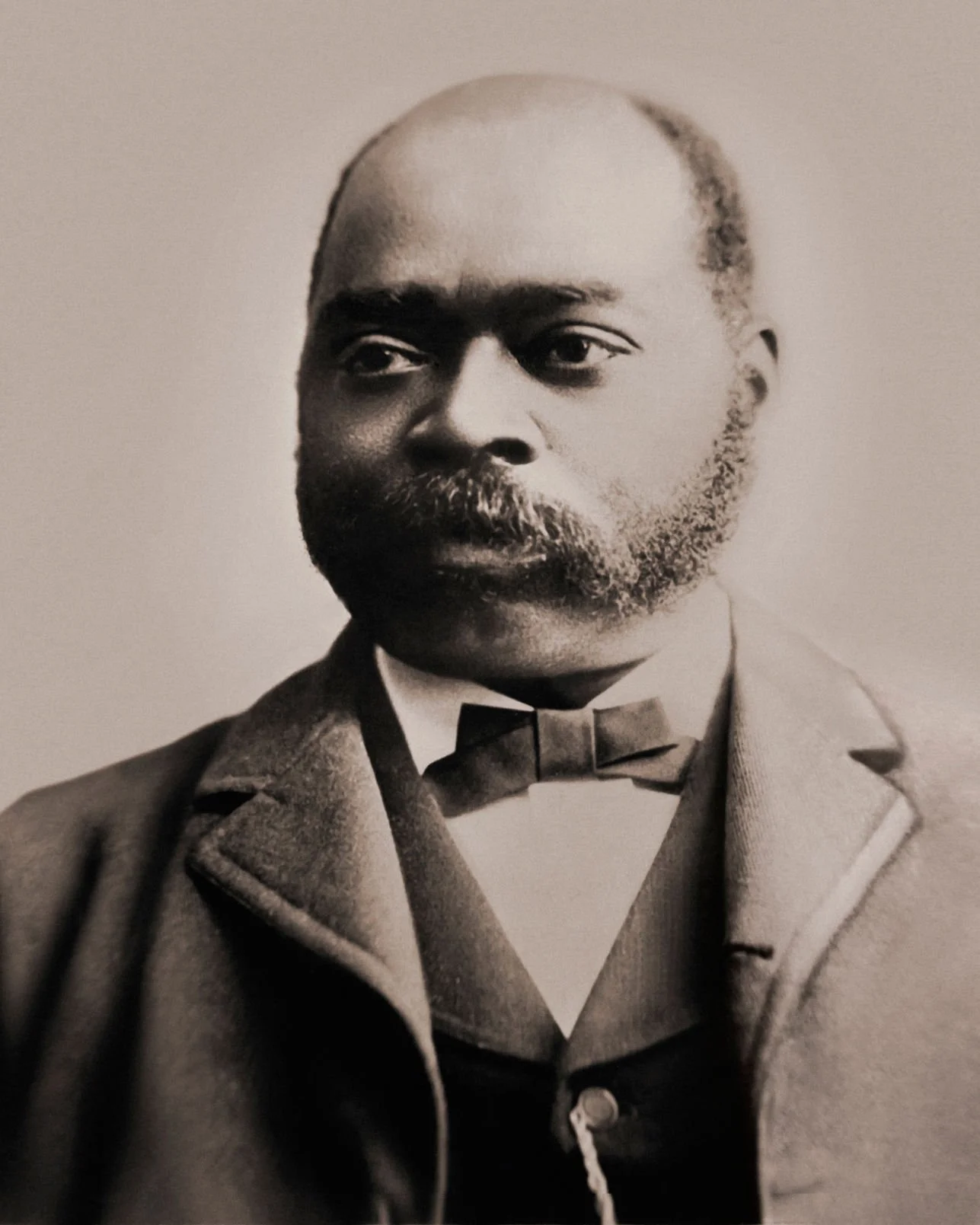
Andrew Jackson Davison earned his notable name for being the first African American man in Athens to practice law, becoming Athens’ first African American attorney. Originally from Geaorgia, Davison moved to northern Ohio after he was emancipated from slavery. He married Eliza Davison who was once a slave and became a cook in the army. His work as an Athens attorney allowed him to purchase a house on the west side of Athens. This proves his success, because purchasing land was not common for African American men or women at this time. In 1873, he announced he was running for Prosecuting Attorney in Athens. He struggled heavily with racism and being an African American democrat in a white, republican-dominated town at the time. In the Athens courthouse in 1876, portraits of the past attorneys were hung along the walls, with the exception of Davison’s portrait. His White peers issued a rejection to hang his portrait up with theirs.
PRESENT DAY:
Ohio University’s students, faculty and organizations work closely with Athens locals today to educate people on the lost African American history in Athens, along with ongoing efforts to preserve any history that’s left.
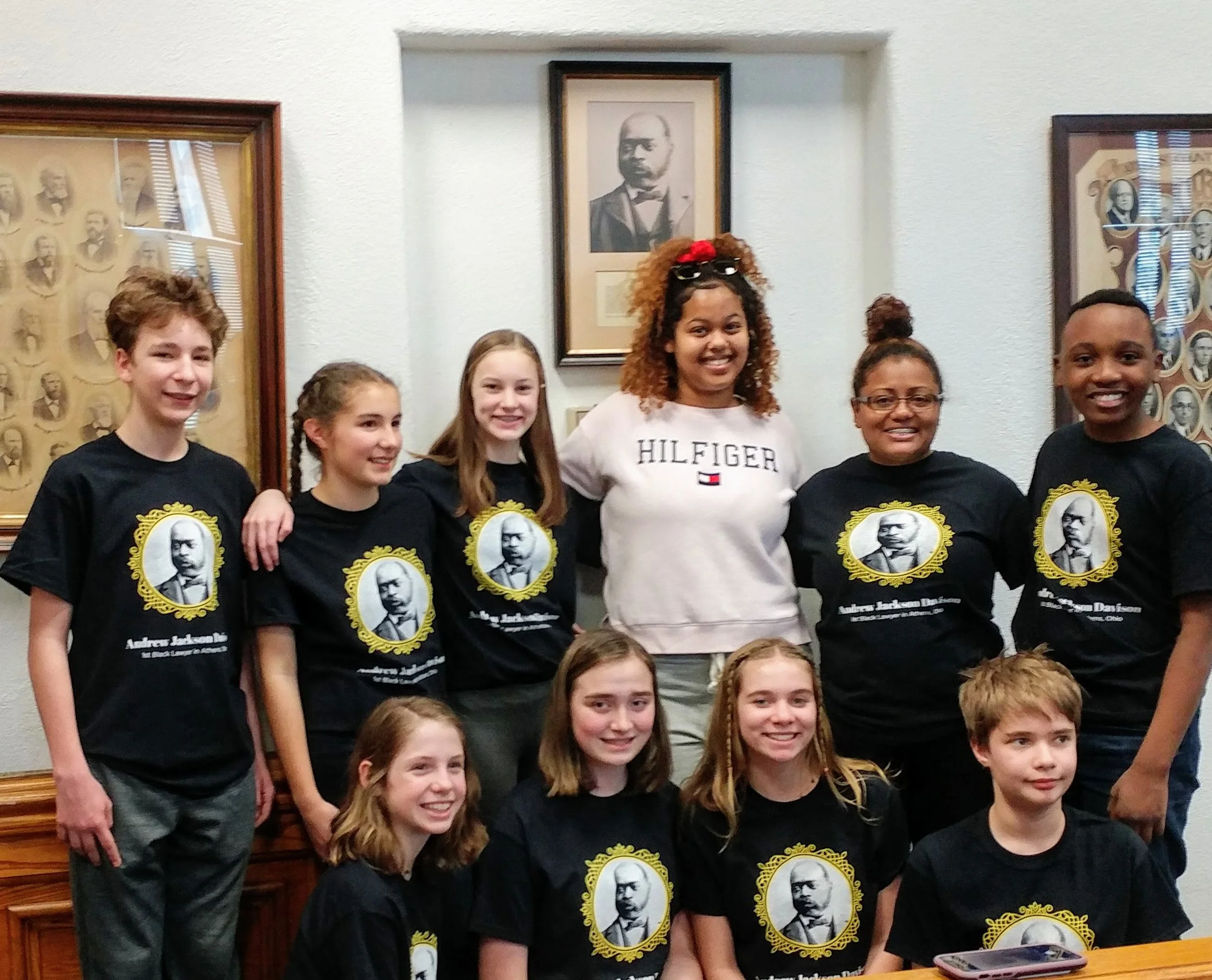
Years later in 2019, a middle school teacher in Athens named Angela Hall started a group of 10 Athens Middle School students, with the help of teachers, parents, and past attorneys called the Andrew Jackson Davison club. This club was developed to highlight the achievements of Andrew Jackson Davison. In 2020 the club members gathered at a two-day event in February to honor Andrew Jackson Davison for Black History Month. After letters were sent to the courthouse, petitions were signed, and events raising awareness to the emission of Davison’s portrait were held, the students were able to get his portrait hung up in the courthouse during this two-day celebration event. Ohio University’s Division of Diversity & Inclusion was one of three sponsors for the celebratory event that took place on February 18th, 2020. Now, Davison’s portrait hangs in the courthouse to honor the hard work and dedication he had being the only first and only African American attorney in Athens for over 40 years.
Berry Hotel postcard from 1890s.
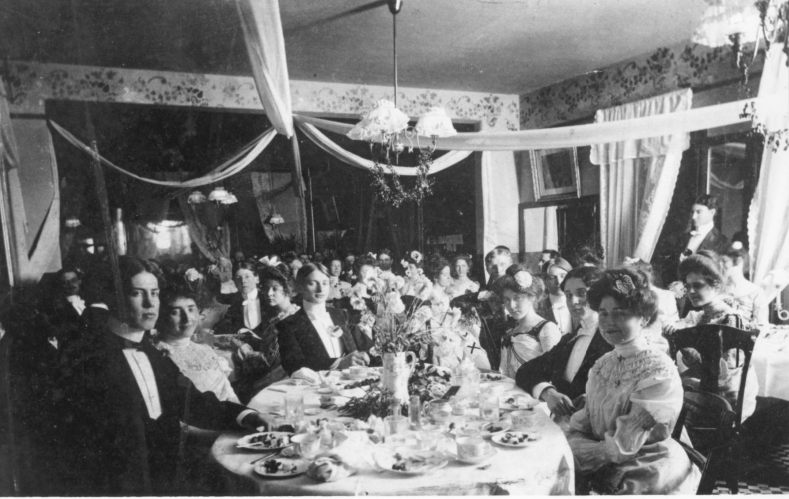
Inside the Berry Hotel formal dining room in 1908.
Inside Hang Over Easy in 2022.
Inside several rooms at Berry Hotel.
The diner that replaced Hotel Berry. The diner used to be called Court Street Diner but is now called Hang Over Easy.
The Berry House purchased by Edward and Mattie in 1961. Currently, a group of Phi Kappa Theta students live there.
The portrait of Andrew Jackson Davison that currently hangs in the Athens Courthouse.
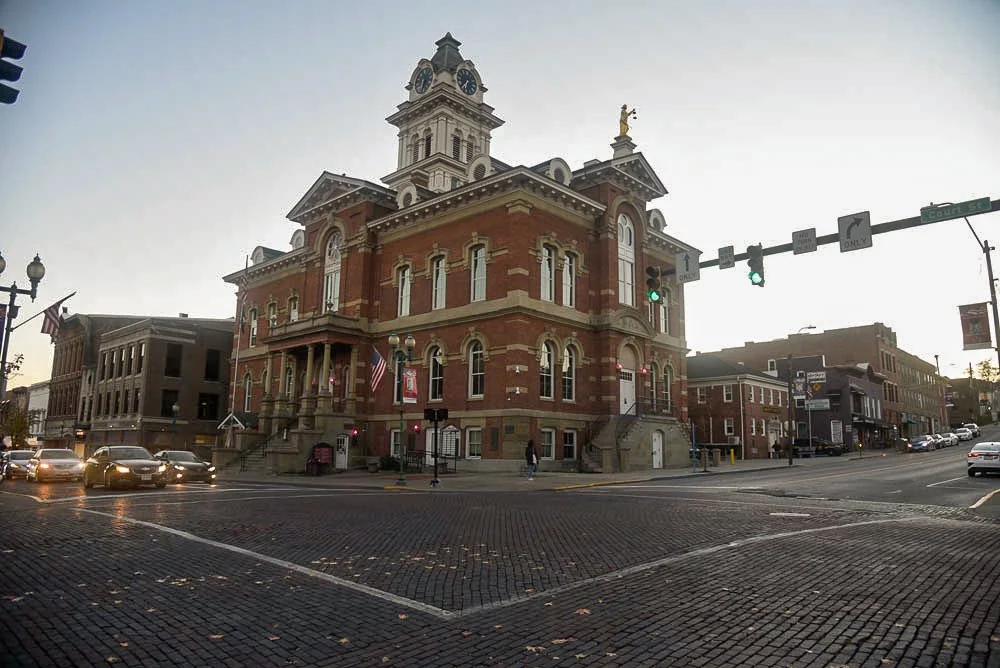
The Athens Courthouse in 2022.
The Andrew Jackson Davison Club pose for a portrait inside the Athens Courthouse on February 18, 2022 during a two-day celebratory event honoring Andrew Jackson Davison for Black History Month.
Trevellya Ford Ahmed stares out the door from inside the Mount Zion Baptist Church.