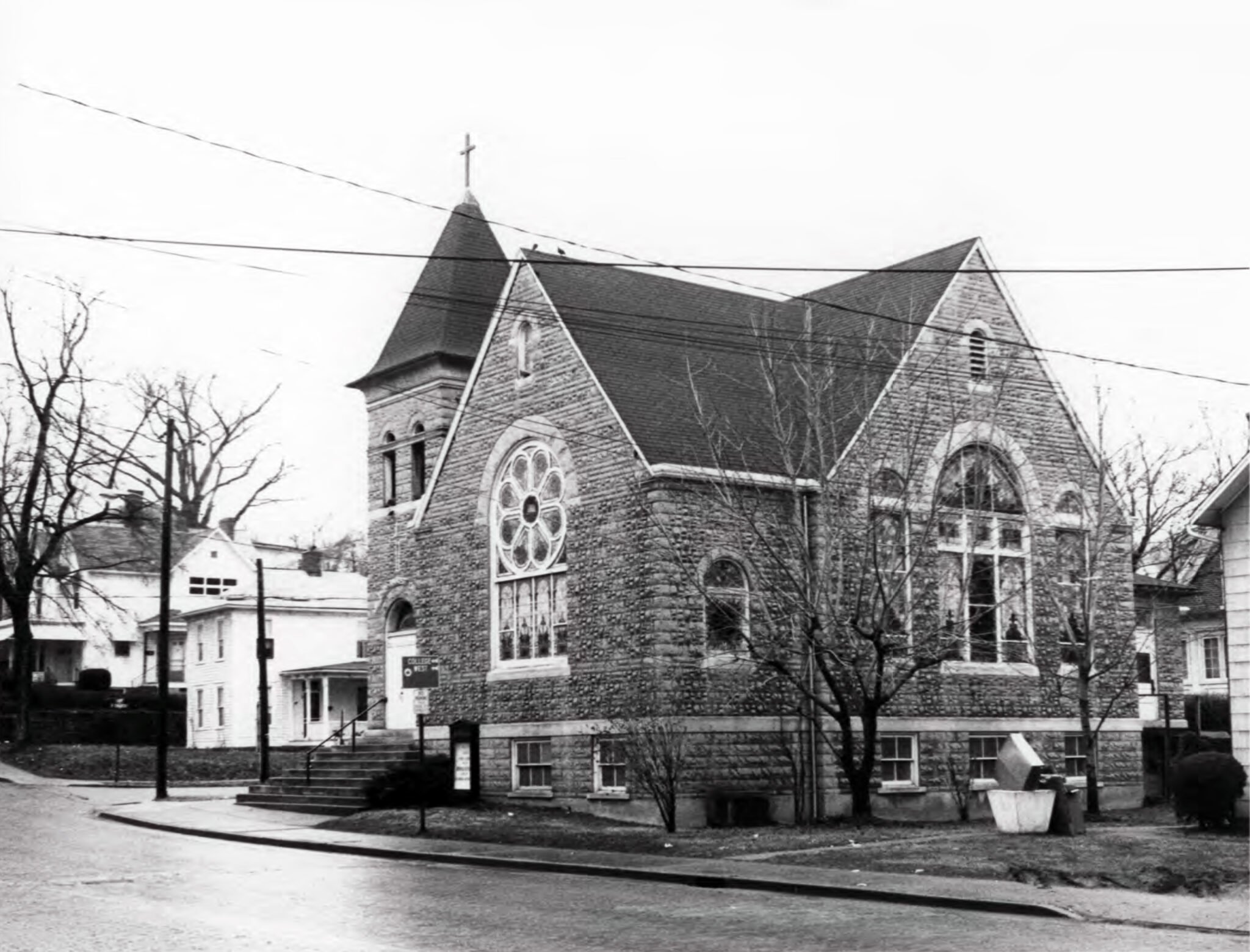
The Mount Zion Baptist Church in February 1980. Photo Courtesy Trevellya Ford Ahmed, Photographer Kathleen Andrews.
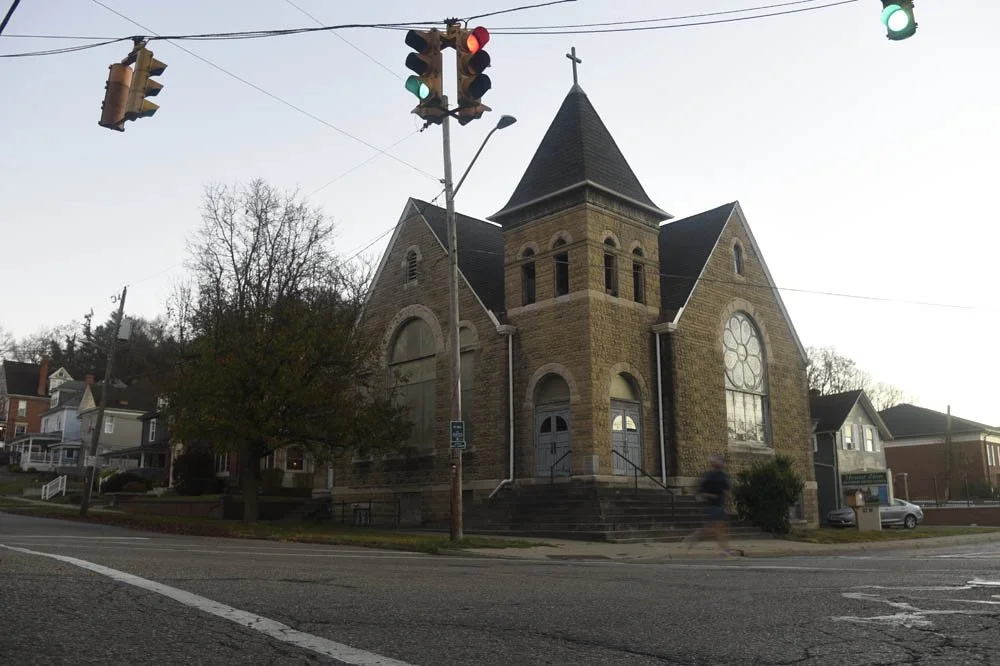
The current efforts of the Mount Zion Baptist Church Preservation Society to repurpose the historical Mount Zion Baptist Church in Athens, Ohio which was a safe place for African Americans to gather from 1905-2000.
Preserving the Past
“Objects of the past are important to preserve because they can tell so many stories about people who weren't able to tell their own stories.”
— Katherine Jellison, OU Professor of History
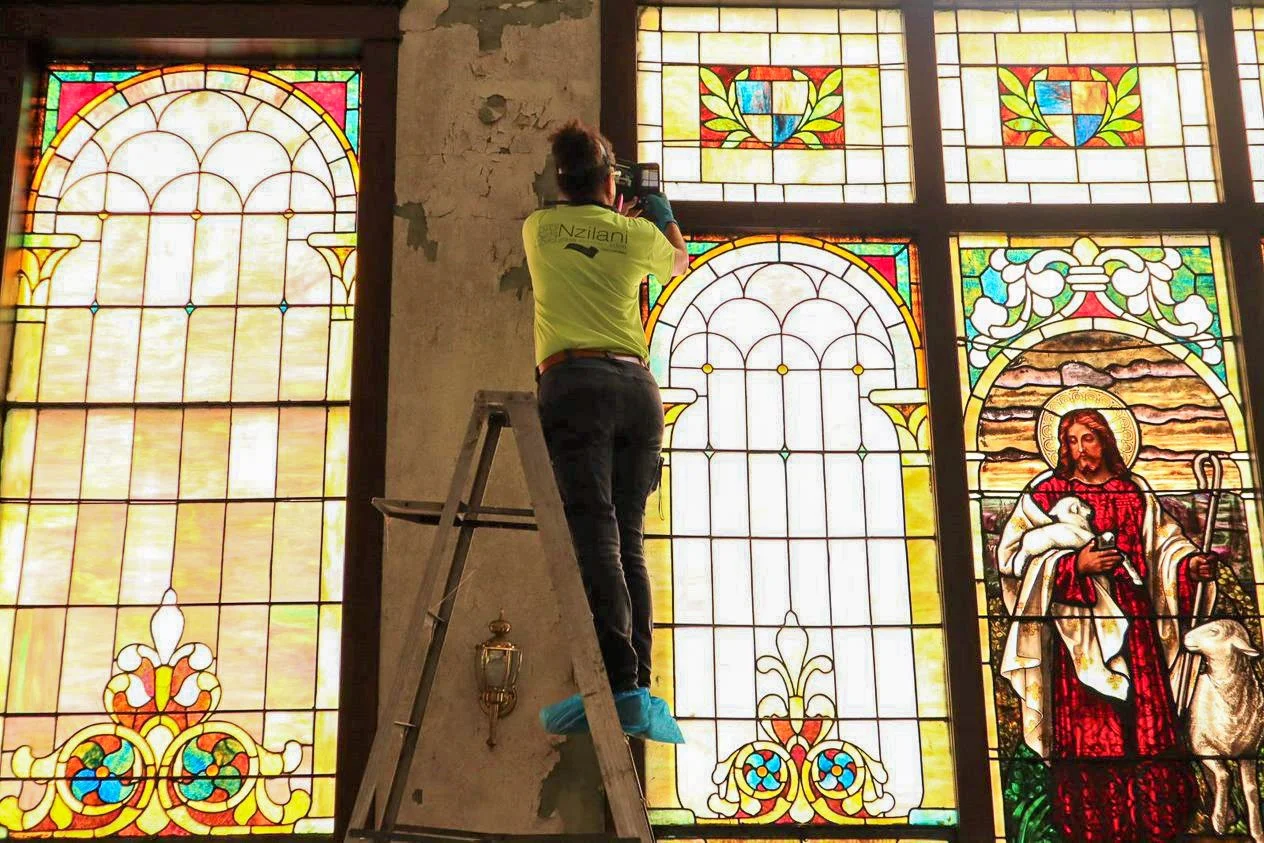
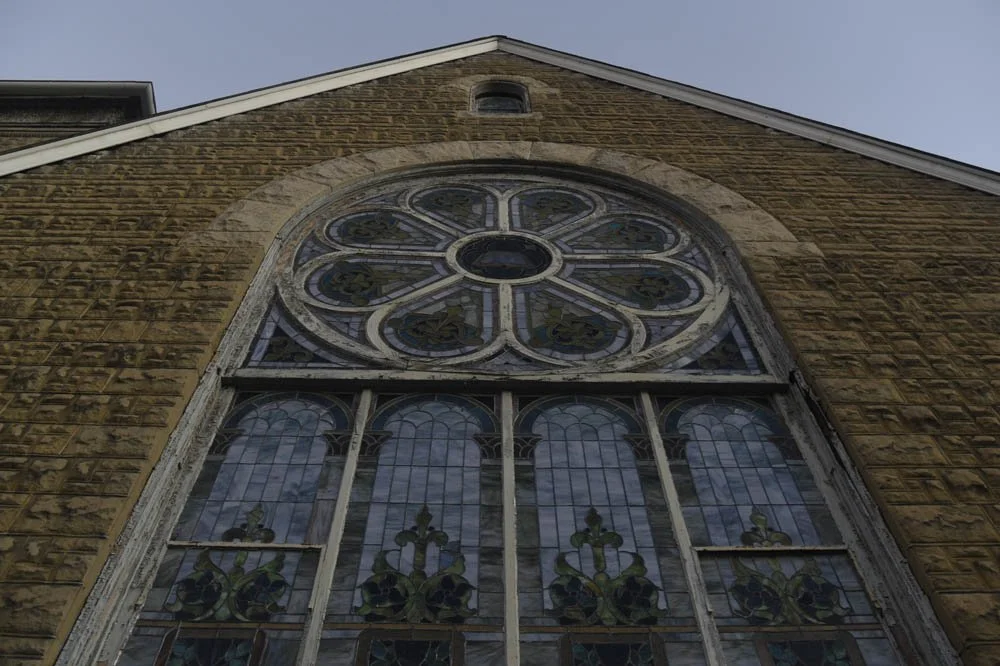
Construction worker works on testing the stability of the 60+ year-old, million-dollar stained-glass windows.
During the late 1800s, African American men and women were in hiding from slavery. They kept traveling north hoping to find somewhere to settle and hide. Athens was populated by trees, making it the prime place to hide out. Small groups of African American men and women settled in Athens and wanted to start practicing religion.
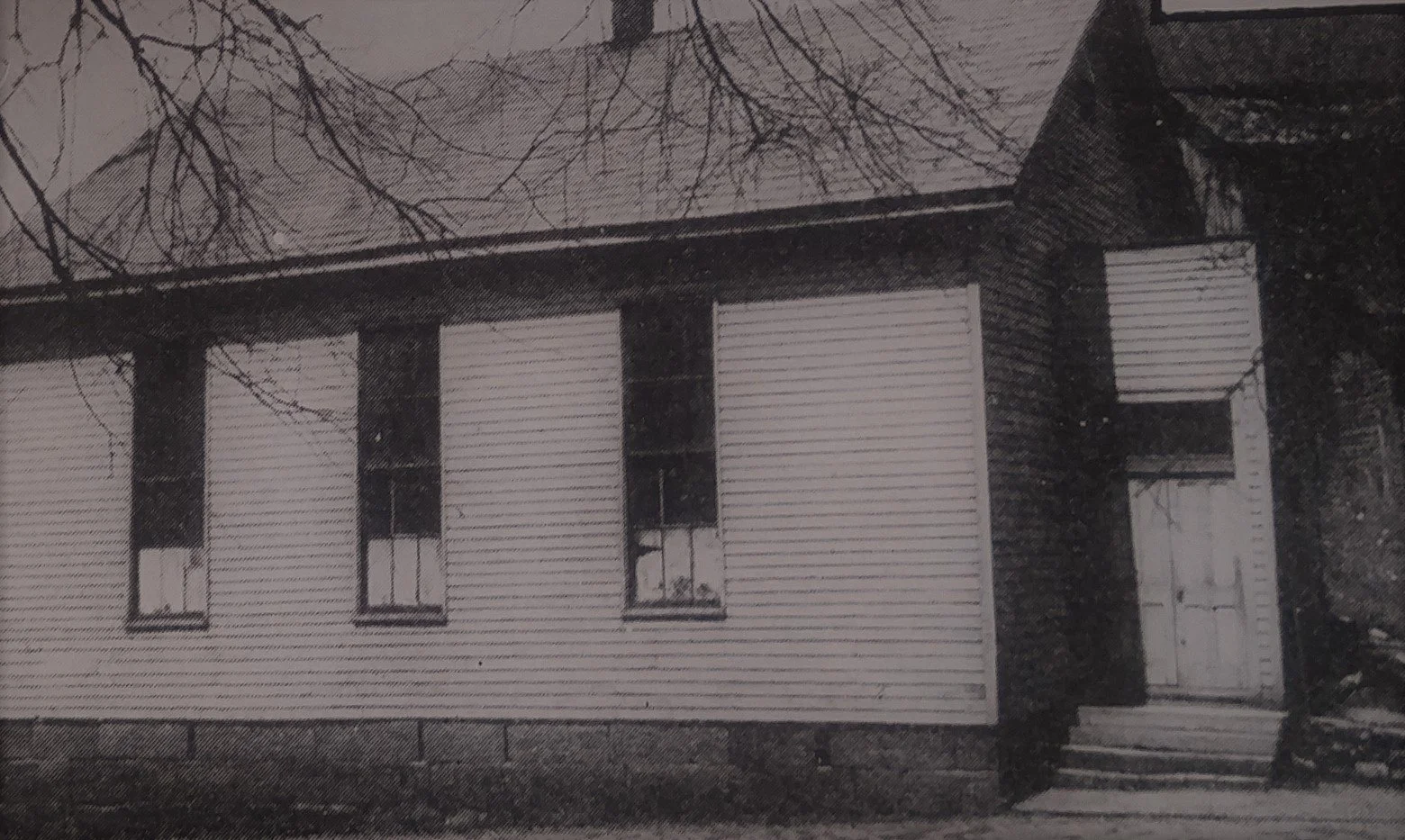
In 1872, a small group of African American Athienans gathered for religious services at the home of two local African American Athienians, Joseph and Henrietta. The original group had only 10 members, but slowly those numbers started to increase. The group now needed a larger space for worship which led them to start holding services in a wood-framed, single-room church on Lancaster Street in 1876. The group officially named themselves the Mount Zion Baptist Church a few years later. The Mount Zion Baptist congregation absorbed the African Methodist Episcopal congregation during the early 1900s, which doubled their members overall. With such a small space and a growing congregation, the group of African Americans continued seeking throughout Athens to find a larger space. In the meantime, they would perform baptisms in the Hocking River during the 1880s and 1890s.
In 1905, well-known and respected entrepreneurs Edward and Mattie Berry donated a chunk of the land they owned that could be used to build a proper church to fit the growing members. In 1906, church services started to be built in the basement of the building while construction was ongoing. In 1909, the church was finished and officially open to the public. Over 70 years later (1980), the Mount Zion Baptist Church was added to the National Register of Historic Places to honor the achievements and community it and the congregation developed over the years. In 1940, choir rehearsals and Bible classes were opened at the church.
“The church was always a strong part of the Black community, and not just for religious purposes,” Ada Woodson Adams said in an interview with WVXU. “Many went there to get centered, to reconnect with their cultural upbringing.”
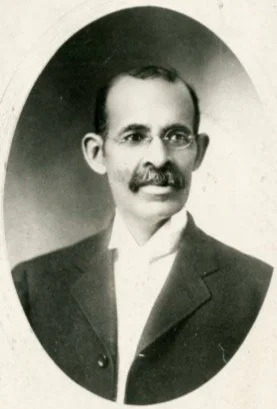
Edward Berry
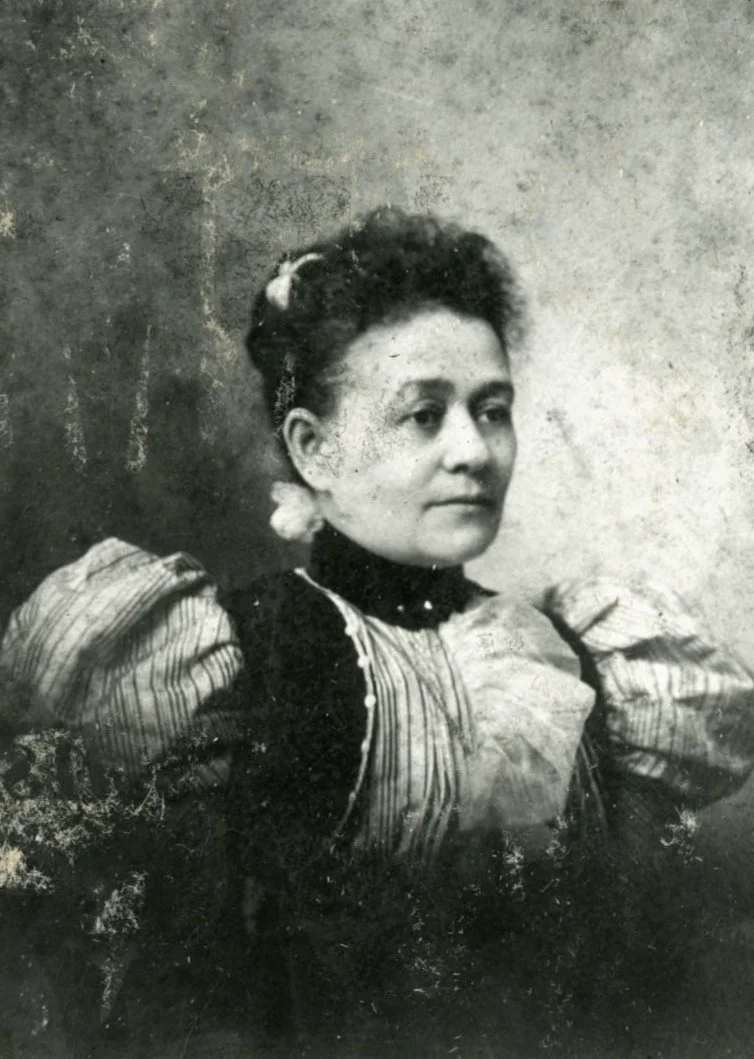
Mattie Berry
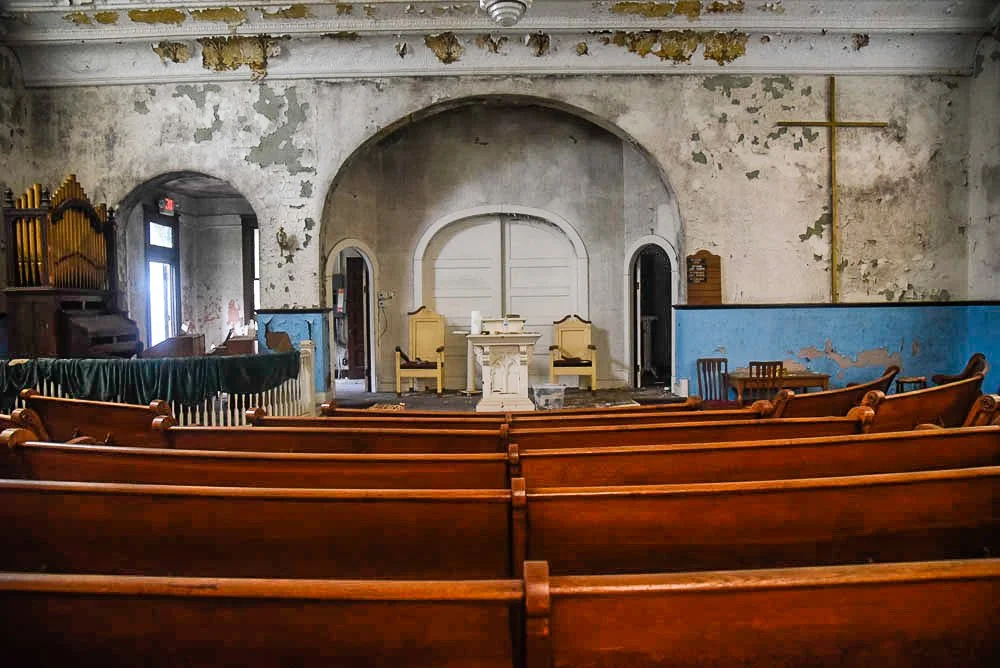
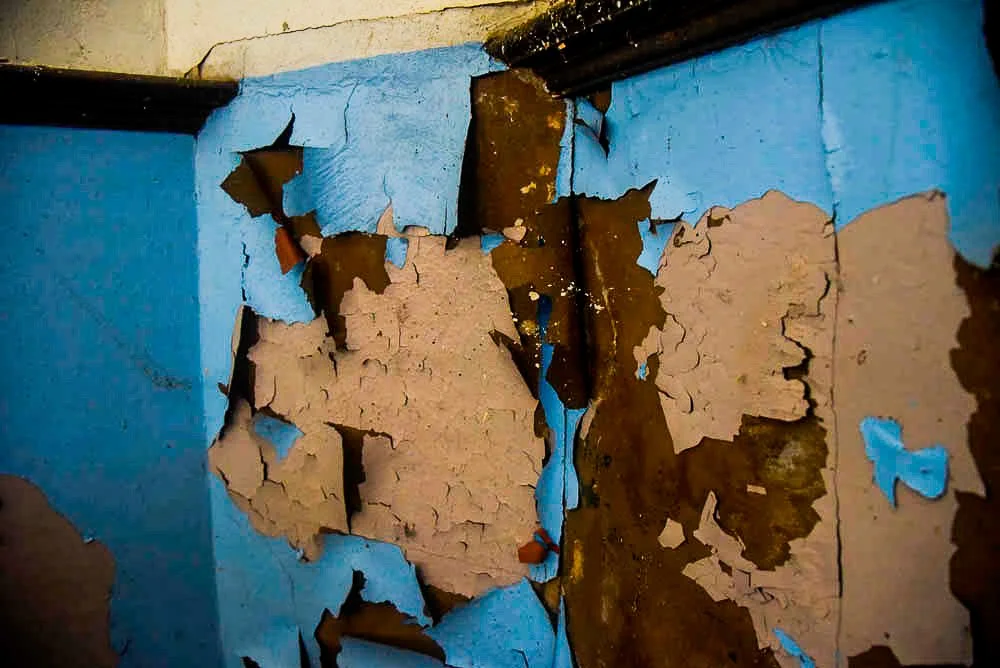
The impoverished African American individuals did not have enough money to maintain the building, which resulted in its decline. Active services continued to be held in the building until 2000, but ultimately due to disagreements with the former leaders of the church, it shut down that same year. The last known event held at the church was a funeral in 2006. After this, the church became vacant and continued to deteriorate for years.
“It’s not that there’s a lack of material or history about Black communities in the mountain south, it’s that none of this stuff is being considered, like it’s just not been looked at,” William Isom, Director of ‘Black in Appalachia,’ said.
In 2013, the Mount Zion Baptist Church Preservation Society (MZBCPS) was created by founding members Ada Woodson Adams, Ron Luce, Linda Philips, and Henry Woods. The MZBCPS is a non-profit organization with the main goal of restoring the original church building and converting it into a hub where African Americans can gather and create a new generation of a Black, vibrant community.
“As she [Ada Woodson Adams] saw many of these buildings beginning to become erased, the last one standing was the Mount Zion and is the Mount Zion Baptist Church so the Preservation Society was formed to try and come in to save the church, repurpose it to a Black cultural center and this is what we’ve been working on for the last four to five years,” Trevellya Ford Ahmed, Director of Communications and Media in the MZBCPS, said.
The MZBCPS consists of 15 board members, one being the president of the board and founding member of the organization Ada Woodson Adams. Adams was baptized at the church as a young girl and later married in the church.
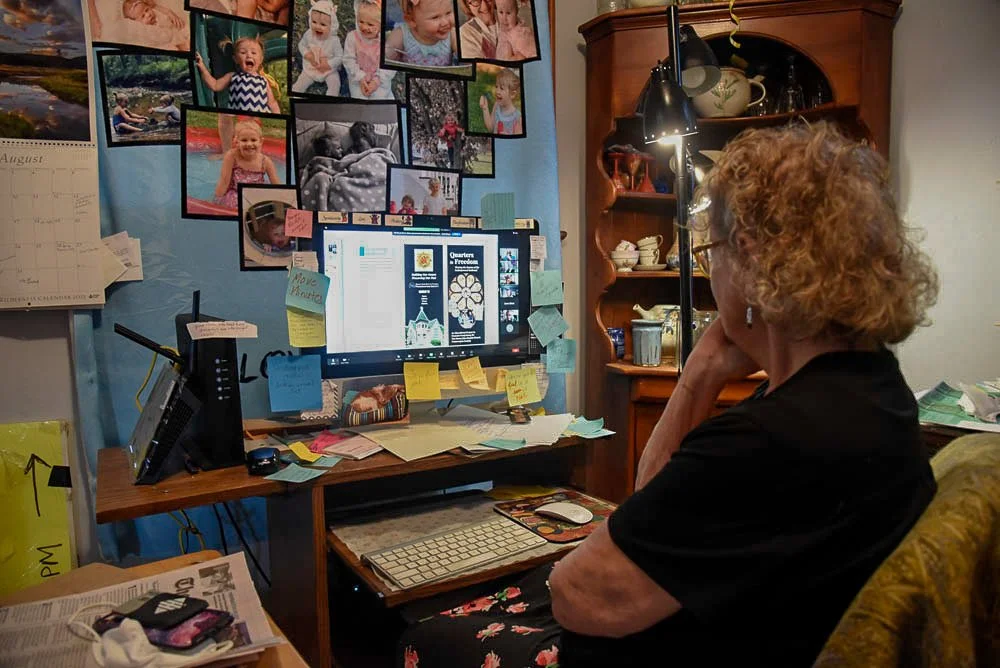
Currently, the MZBCPS members and volunteers are working towards fundraising to raise $4.2 million to completely restore and rehabilitate the original structure. The board members meet weekly over zoom to discuss their future events, fundraising, and efforts. Over the last few years, the MZBCPS has received several grants that support their restoration goals.
“Certainly as with anything these days in terms of restoration is finding funding and interested people in supporting a specific cause,” Ahmed said.
While working towards their goal, the volunteers and members work to educate the Athens community about the church’s history through short films, events, ads, tours, and conferences. The board members seek help from students to educate them and get them more involved.
“As young people, don't be afraid to ask for resources,” Isom said.
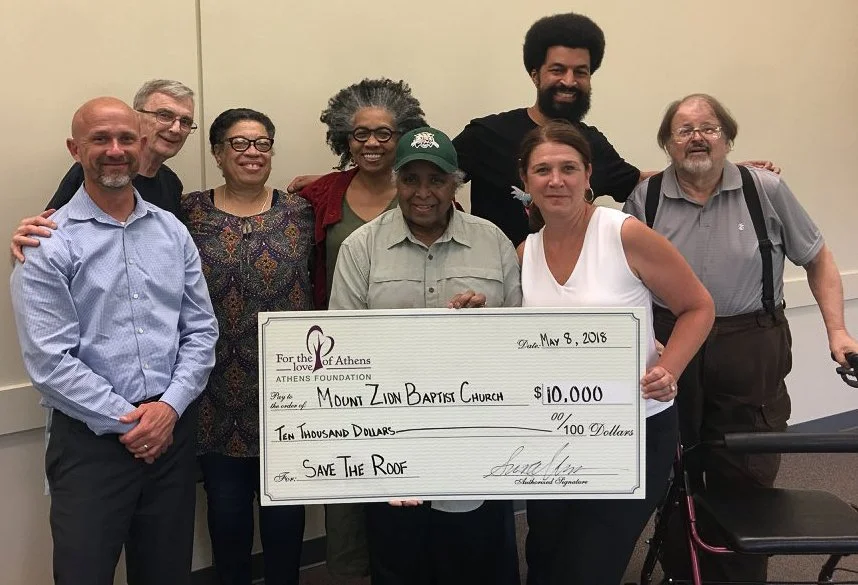
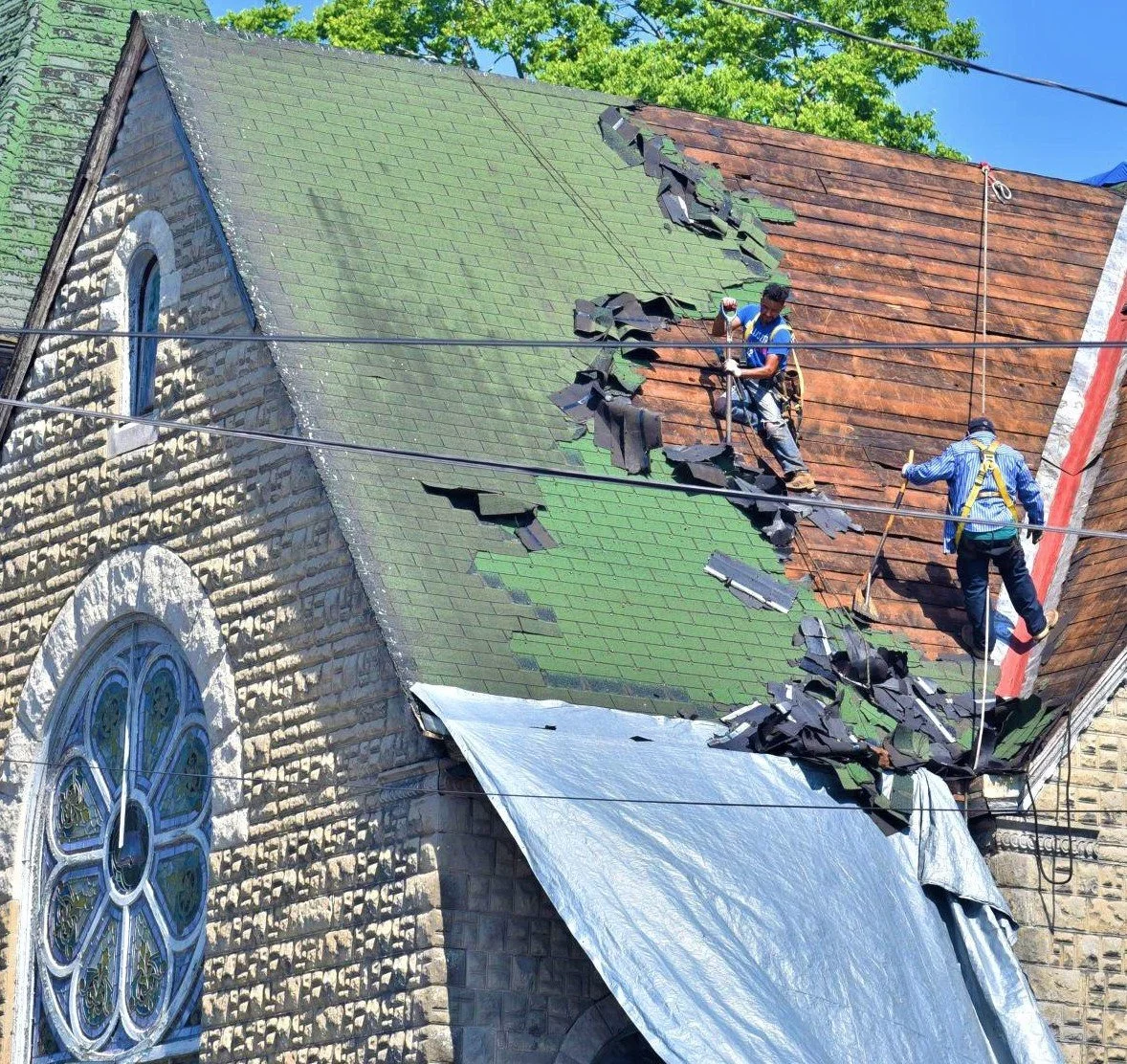
In 2018, the MZBCPS received $72,000 to repair the roof and in 2020 received $75,000 to start repairing the basement.
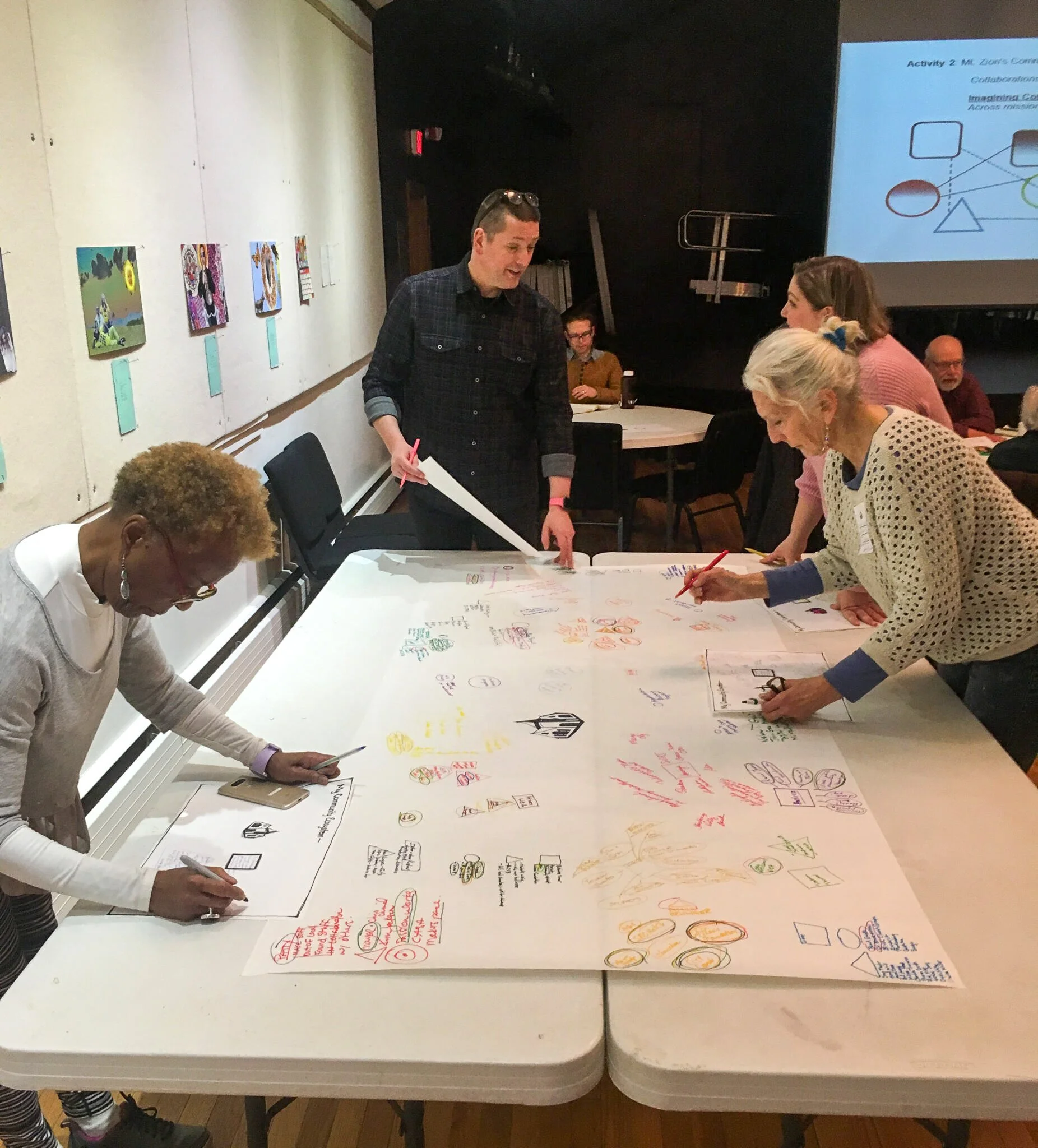
In 2019, the Mount Zion Baptist church was selected to be one of three historical buildings to be considered an important national site and partner with the Citizens’ Institute on Rural Design (CIRD). CIRD is a national endowment for the arts initiative to create places of learning and honing creativity. This funded project with CIRD is also partnered with the Athens County Foundation, the City of Athens Planning and Development Office, and the Southeast Ohio History Center.
“Ours is a preservation challenge rooted in spatial and racial justice to save a historic building and its cultural, social, and economic landscape.” The Citizens’ Institute on Rural Design website said. “Working together, we can ensure that Mt. Zion remains a hub of cultural production and social enterprise for Black Ohioans.”
Article By:
Patricia Porter
Past Pictures Courtesy of:
Ohio University Archives
Trevellya (Tee) Ford-Ahmed, the Communications and Media Director on the MZBCPS board created a documentary series that highlights the important Black history in Athens and neighboring Appalachian towns. The documentary is called ‘Athens Black Wall Street’ and was first shown to the public in February of 2022. Ahmed is in the process of filming episode 2 of the documentary series.
“Black Wall Street Athens is a documentary film that chronicles the erasure of Black history in Athens…a community that was vibrant and very rich with Black history,” Ahmed said.
The first Mount Zion Baptist Church building located on Lancaster St. in 1876.
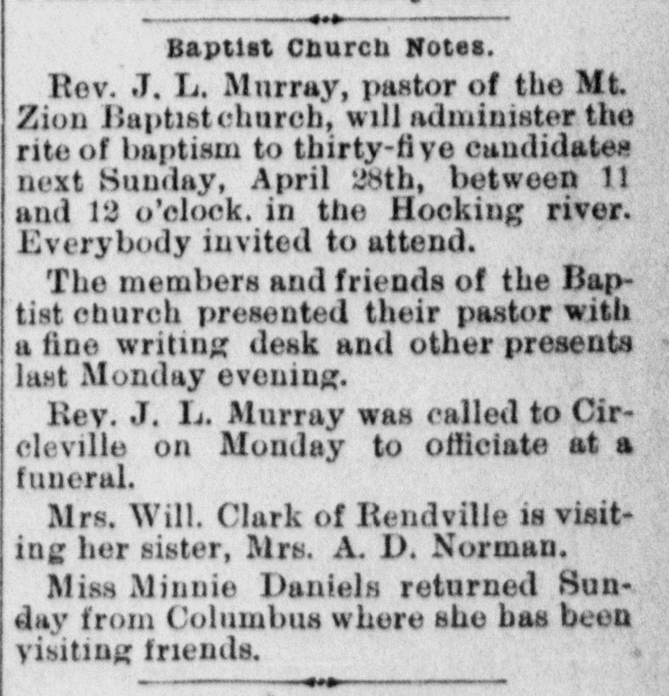
Newspaper clipping from The Athens Messenger from April 25, 1895.
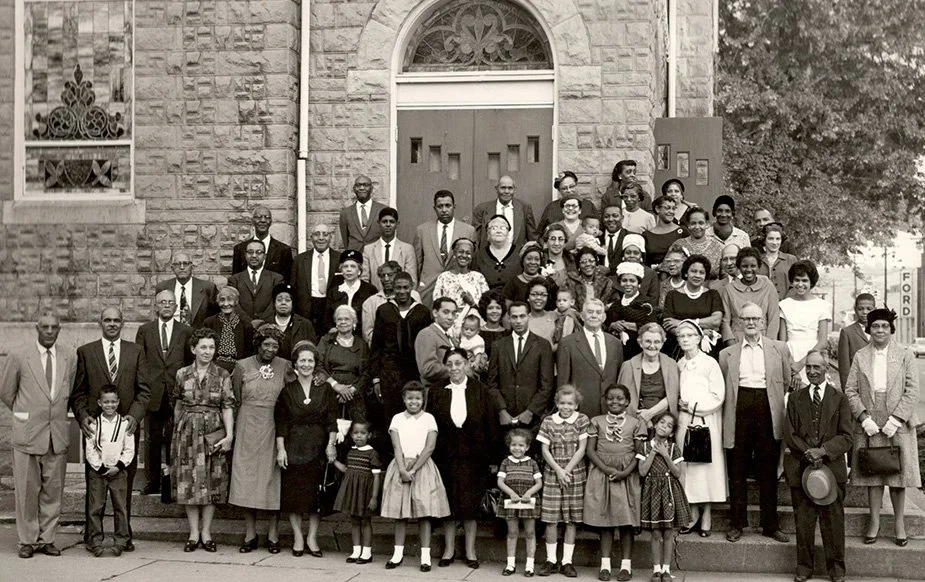
The Mount Zion Baptist Church congregation on the front steps of the church at a homecoming event in 1961.
Outside the Mount Zion Baptist Church in 2022.
Inside the Mount Zion Baptist Church in 2022.
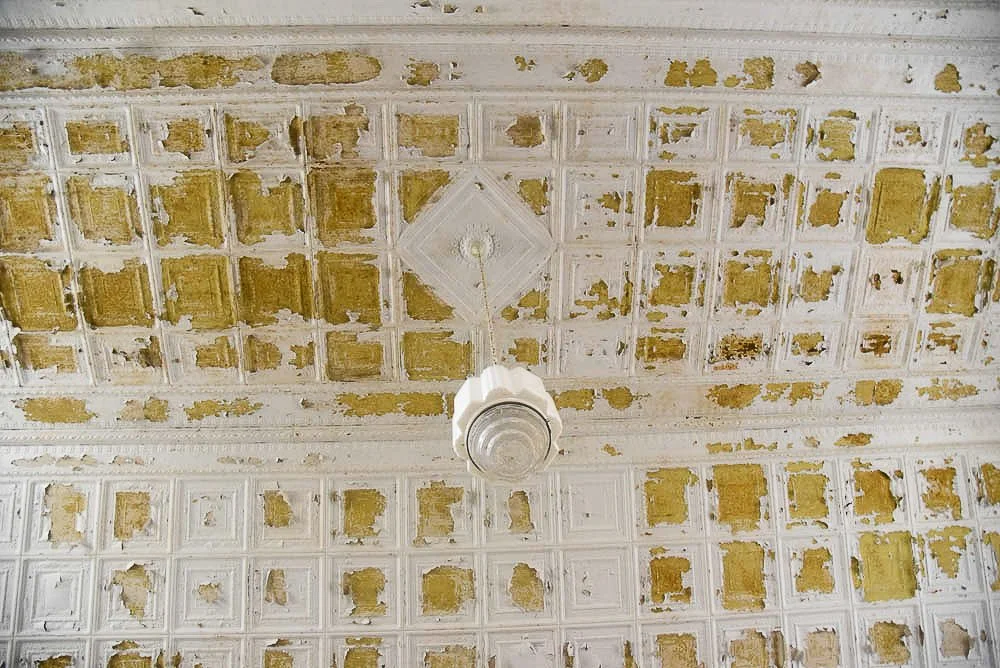
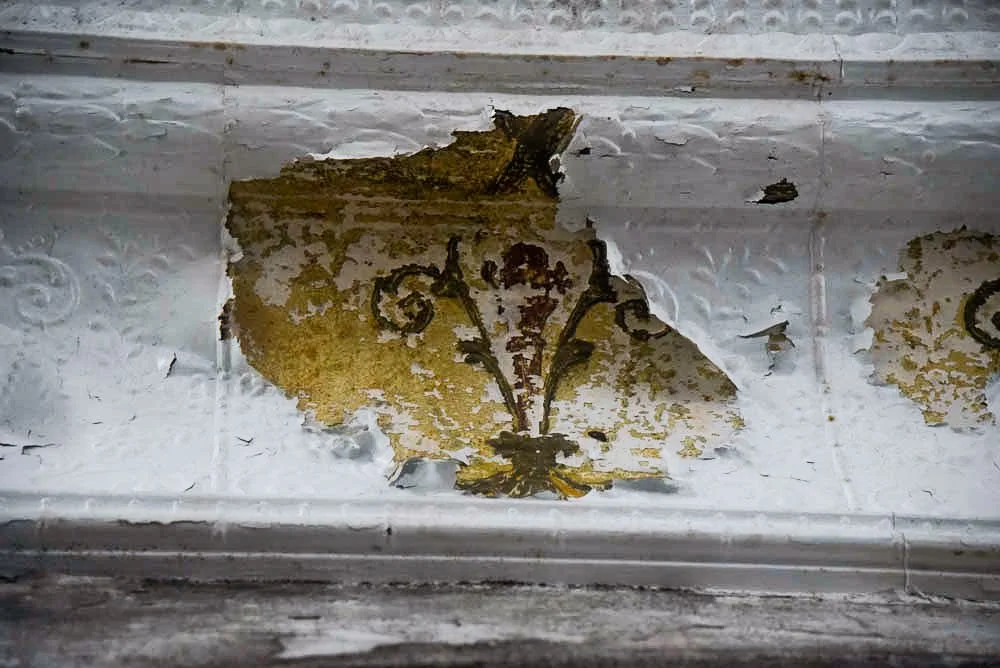
Peeling wallpaper from inside the church along the walls and ceiling.
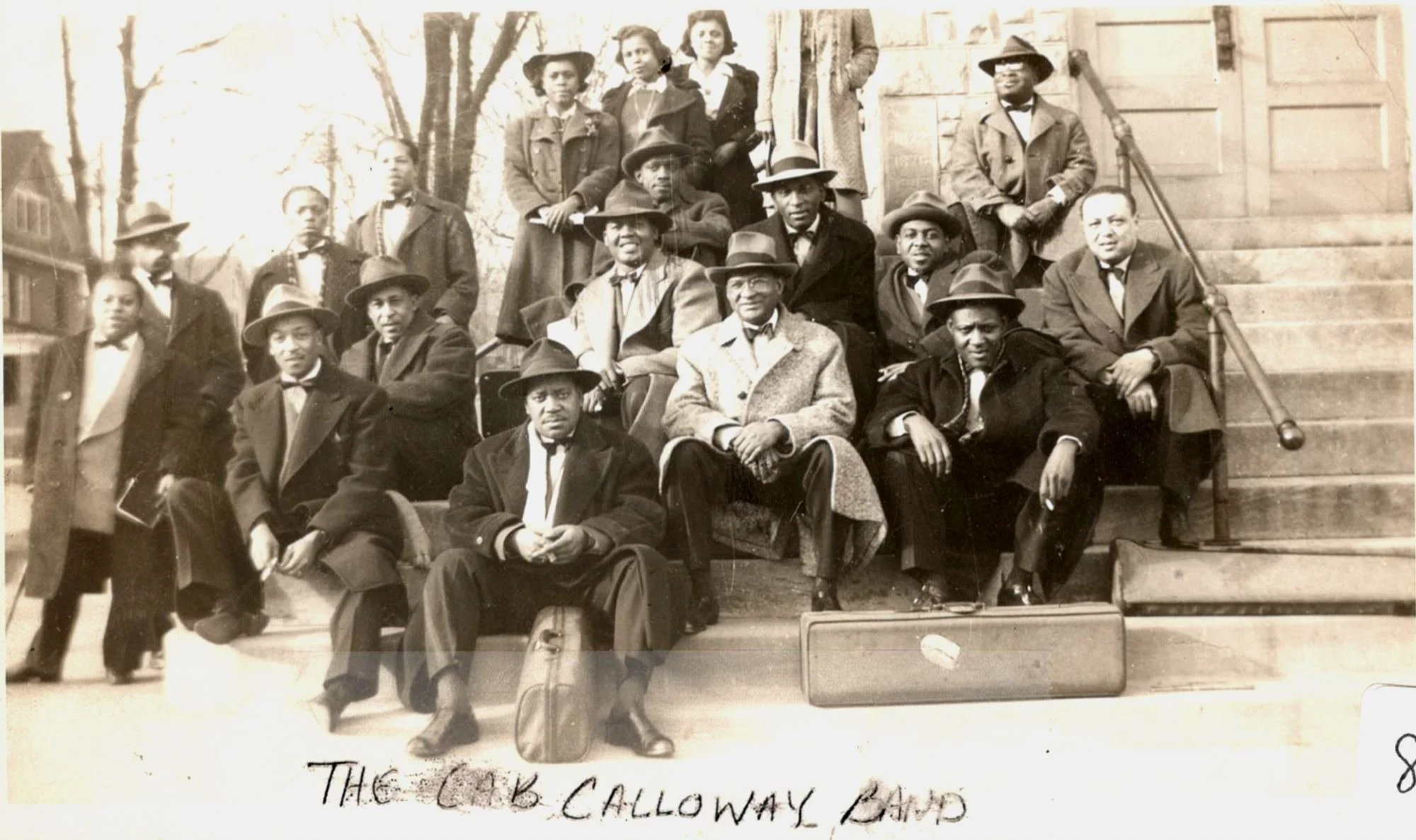
Cab Calloway and his orchestra visited the church on March 20, 1942 while being in Athens to perform at the Ohio University Junior Prom.
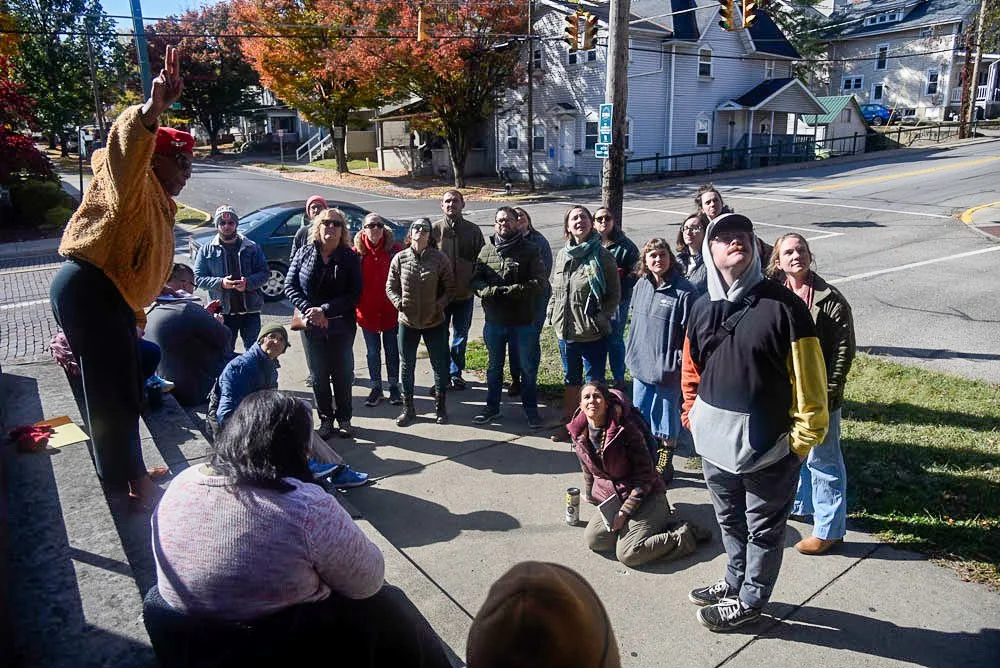
Trevellya Ford Ahmed (far left) speaks about the history of the Mount Zion Baptist Church on the front steps of the church to a crowd of Ohio University students who were touring the Black historical places in Athens.
Beth Amoriya stares at her screen during a Mount Zion Baptist Church board meeting via Zoom.
Mount Zion Baptist Church Preservation Society receives a grant to repair the roof on March 8, 2018. Roof being repaired is pictured on the right.
Mount Zion Baptist Church board members and volunteers brainstorm ideas for fundraising the repurposed building and the layout of the new building.
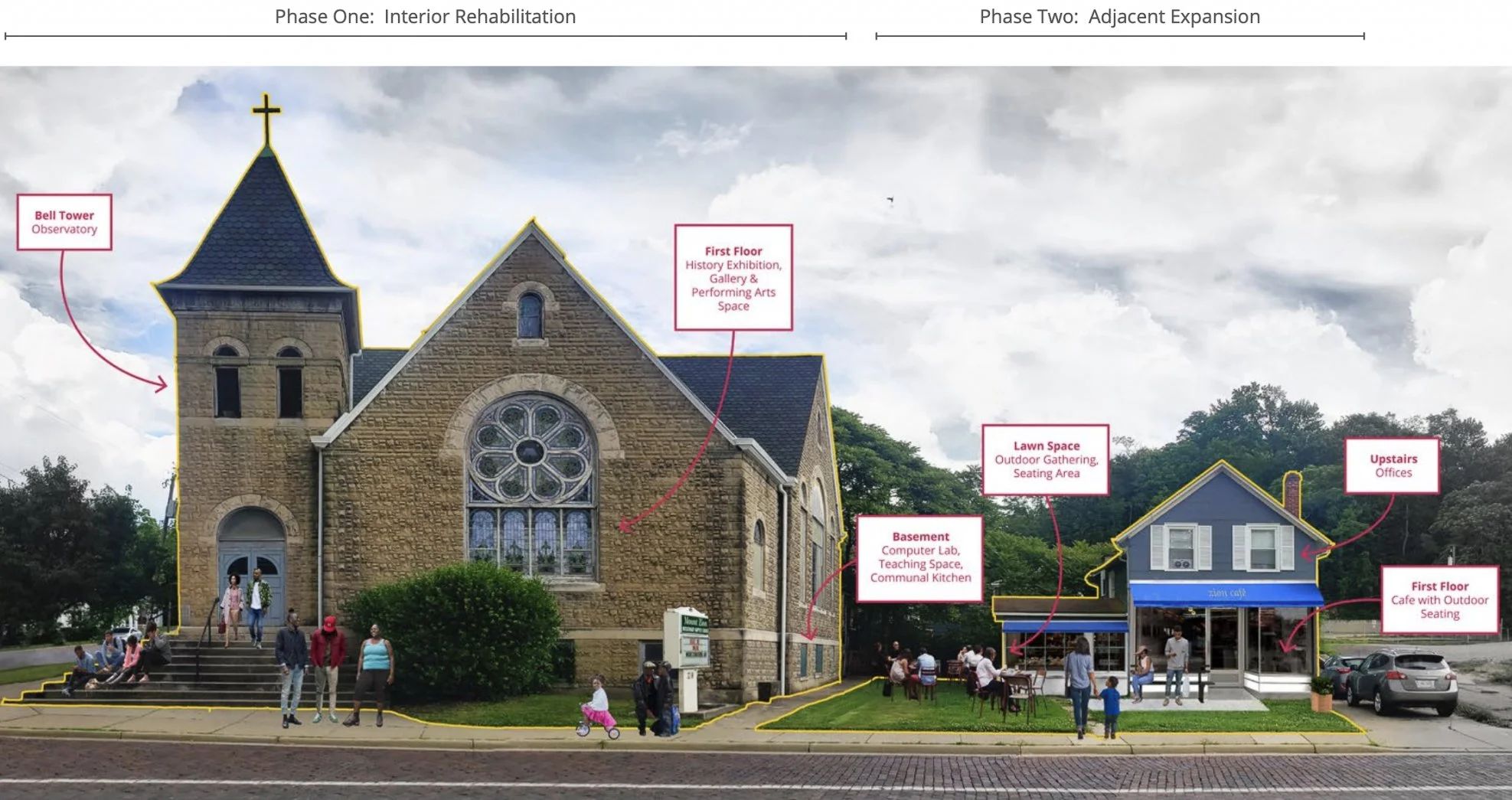
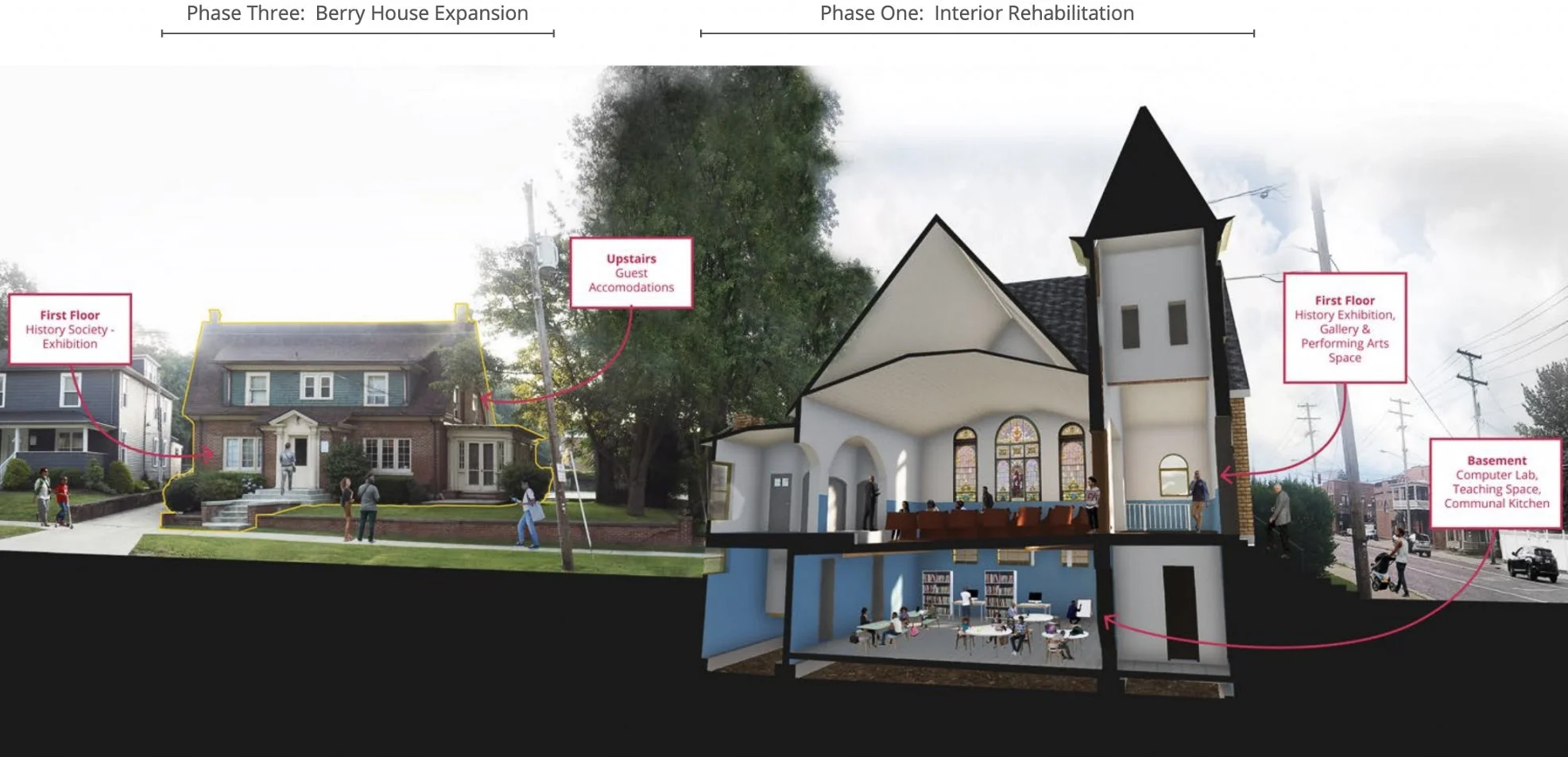
Digital renderings of the layout of the church after reconstruction.